
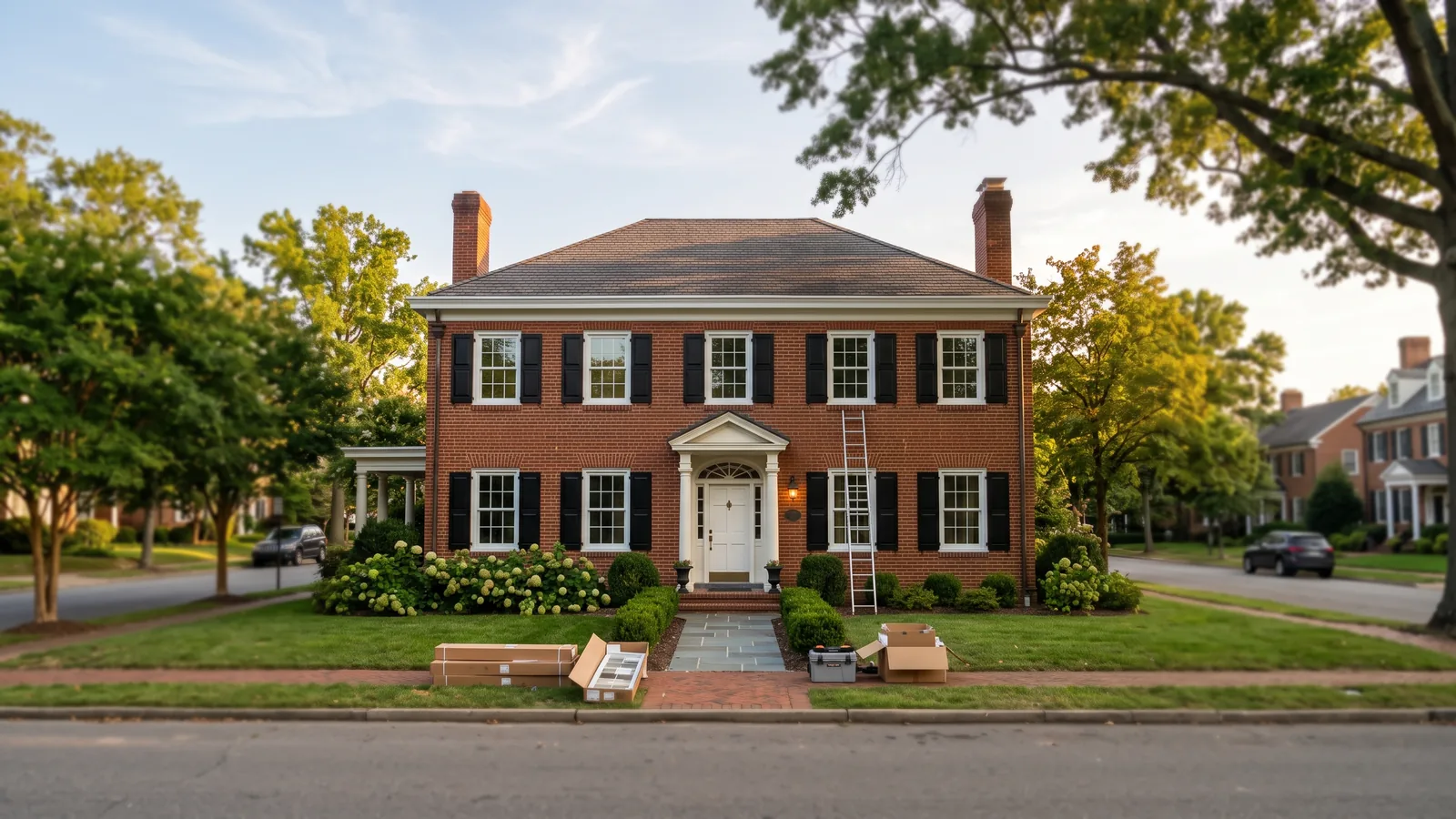
Wood Window Types: All-Wood, Clad and Inserts
Every unit below has real wood on the inside. What changes is the exterior surface, the grille and how much of the old window stays.
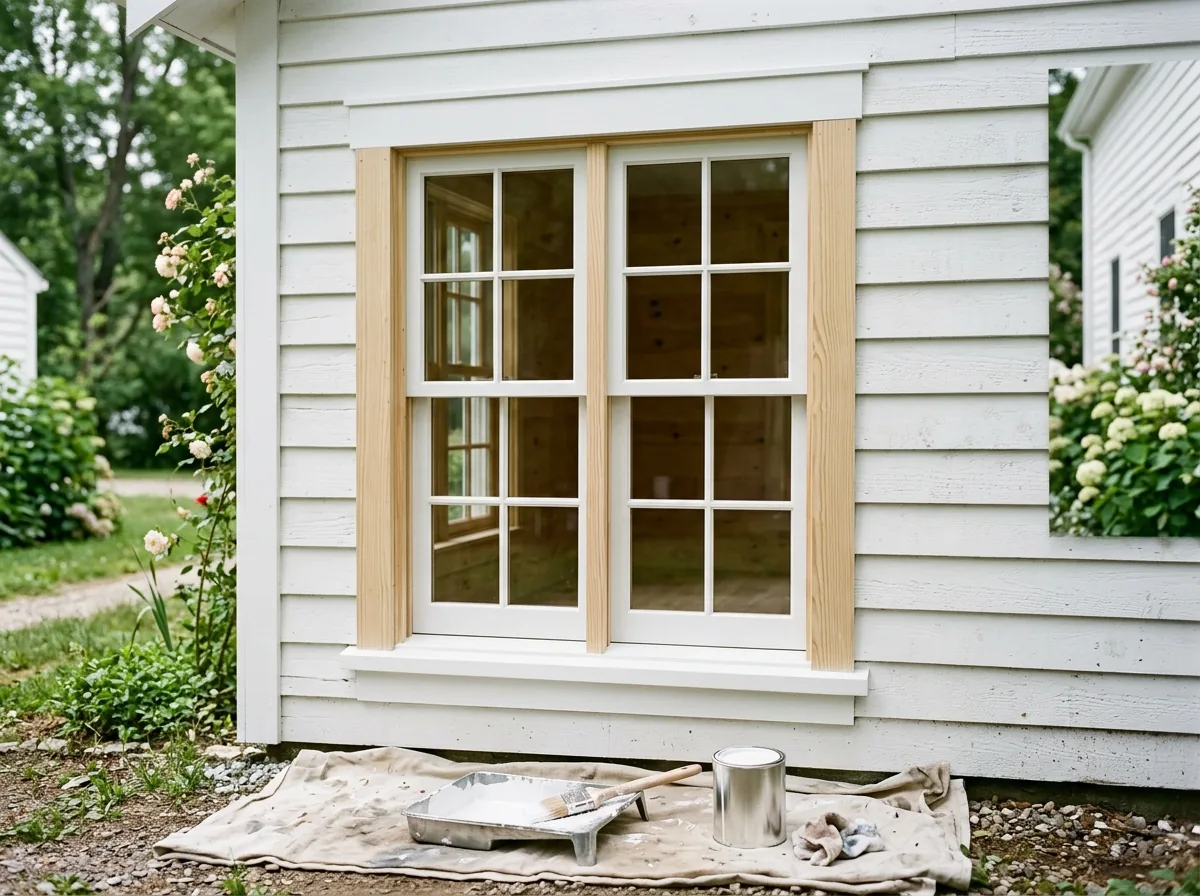
Primed and Painted All-Wood Windows
All-wood units arrive primed or bare and get painted on site, any color you like, to match trim that is usually painted wood anyway. The NFRC's durability guide calls wood easy to repair and maintain but prone to rot, so the paint is what keeps it alive, and the upkeep list further down gives the intervals. Paint also means the color can change whenever the house does. They make the most sense on a house whose siding and trim already get painted on a regular cycle. Ask whether the units come primed on every face, including the edges that disappear into the opening.
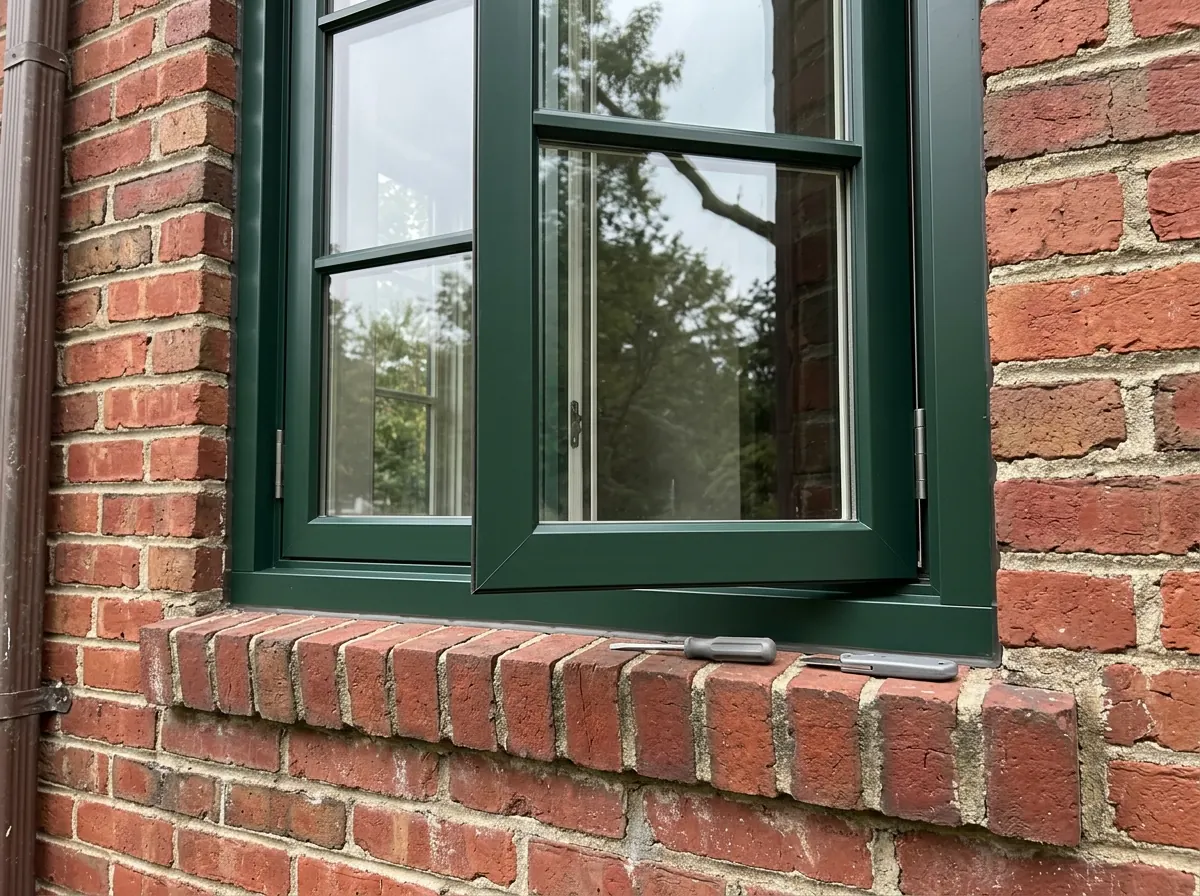
Aluminum-Clad Wood
Here the wood frame wears an aluminum shell outside, so there's nothing to scrape or paint on the weather side; ENERGY STAR notes many wood windows are clad this way to cut upkeep. HomeGuide calls aluminum the most popular cladding and says it comes in a wide range of factory colors. The weak point is the seam: HomeGuide warns of trouble where cladding meets wood if water gets behind it, and the NFRC guide says cladding should keep moisture from forming underneath. Lifespan figures disagree. HomeGuide gives clad windows 30 to 50 years, while InterNACHI's table puts aluminum and aluminum-clad windows at 15 to 20.
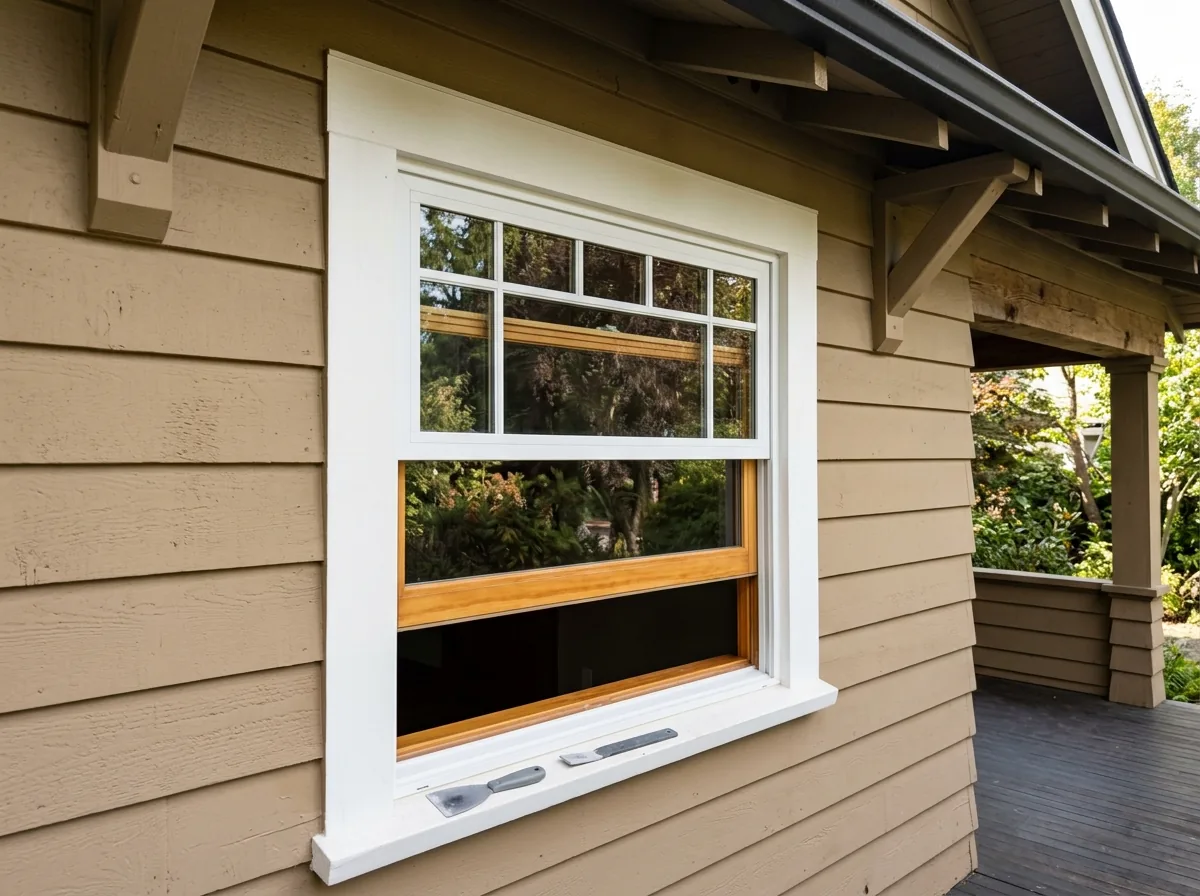
Vinyl-Clad Wood
Vinyl cladding does the same job with a PVC skin over the wood frame and sash. The NFRC guide describes vinyl and enameled metal claddings as giving wood frames much longer protection, and notes they generally come in a limited number of colors. Vinyl-clad wood is a fit when you want a stained or painted wood interior and a white or tan exterior that never needs paint. If the color you want isn't offered, aluminum cladding usually has more choices. Inside, treat the wood like any other wood window: seal or paint it, and keep condensation from sitting on the sill.
Simulated vs. True Divided Lites
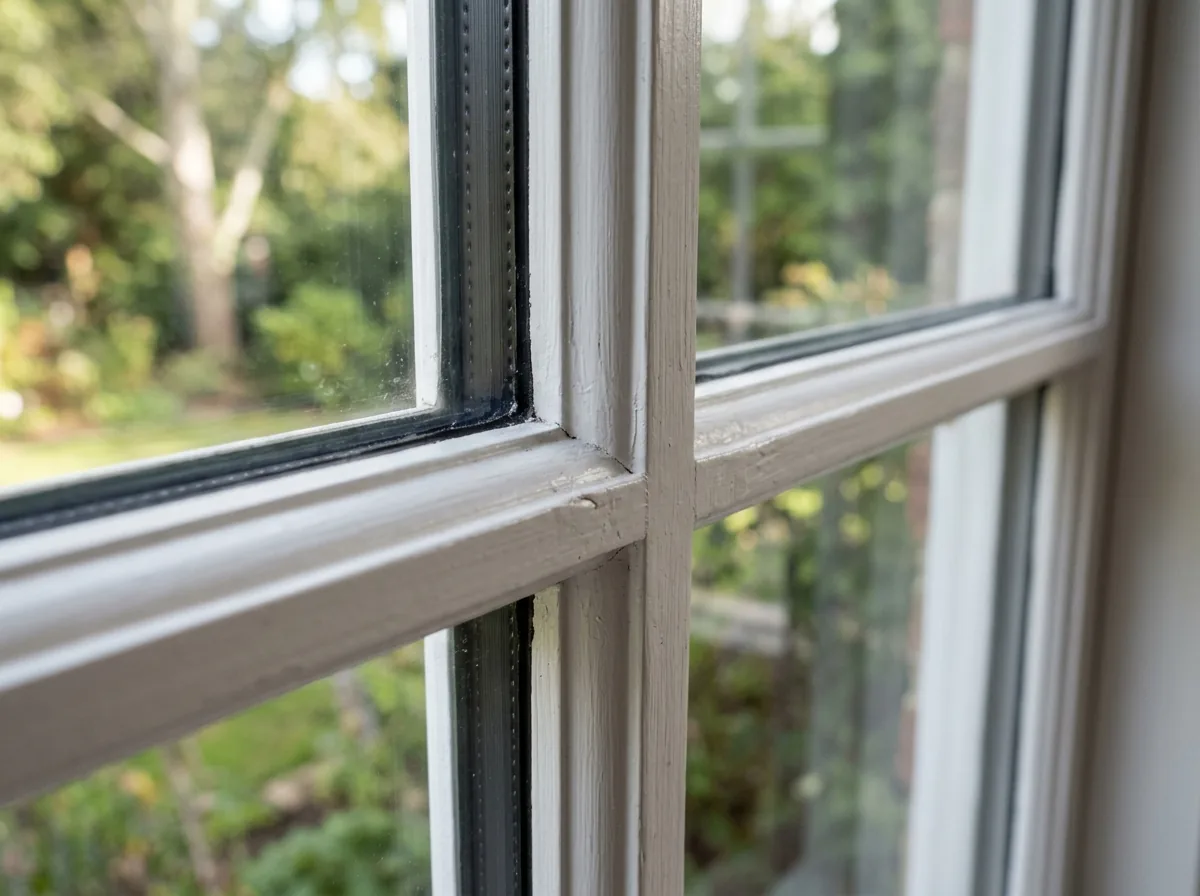
A true divided lite sets each small pane in its own muntin. With insulated glass that means many small sealed units and thick muntins, and many more seal edges that can fail. A simulated divided lite (SDL) uses one insulated unit with muntin bars bonded to the inside and outside faces and a spacer bar between the panes under each bar, so it casts the same shadow lines as the real thing. Grilles-between-the-glass are a flat grid inside the airspace only, so the glass face stays flat. In our view, SDL is the right call on a Colonial Revival or foursquare front where the grille pattern carries the look.
Wood Insert Units for Existing Frames
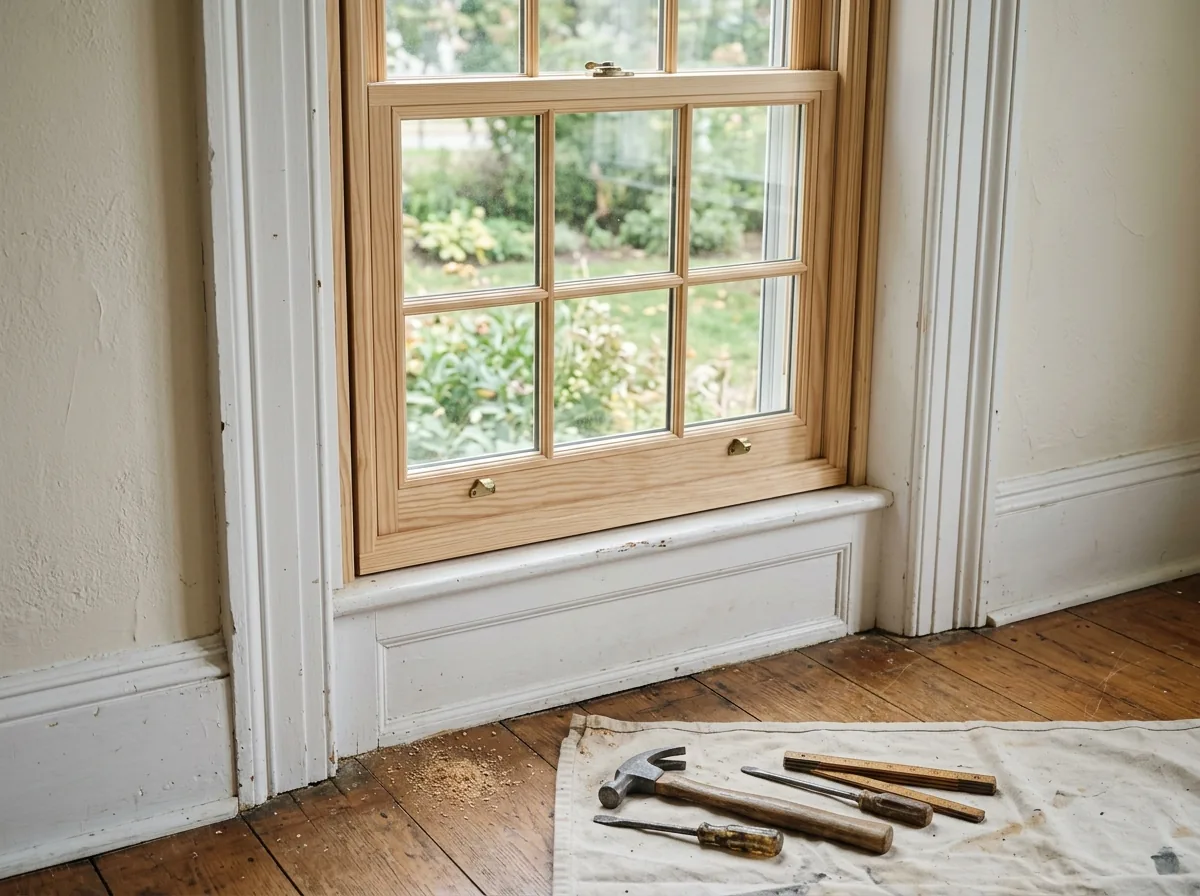
A wood insert is a complete window, frame and sash, sized to sit inside the old frame. The interior casing, plaster and outside brickmold stay, so the job is cleaner than a full tear-out, though you give up a little glass to the new frame. It suits an opening where the frame is square and dry but the sashes are beyond saving. If only the sashes are worn, a sash kit that reuses the frame may cost less; see window sash replacement. A good installer will test the sill with an awl before quoting an insert, because a soft sill under a new unit is money wasted.
Why Richmond homeowners call Richmond Expert Windows
- A single independent window contractor gets your request, never a lead auction
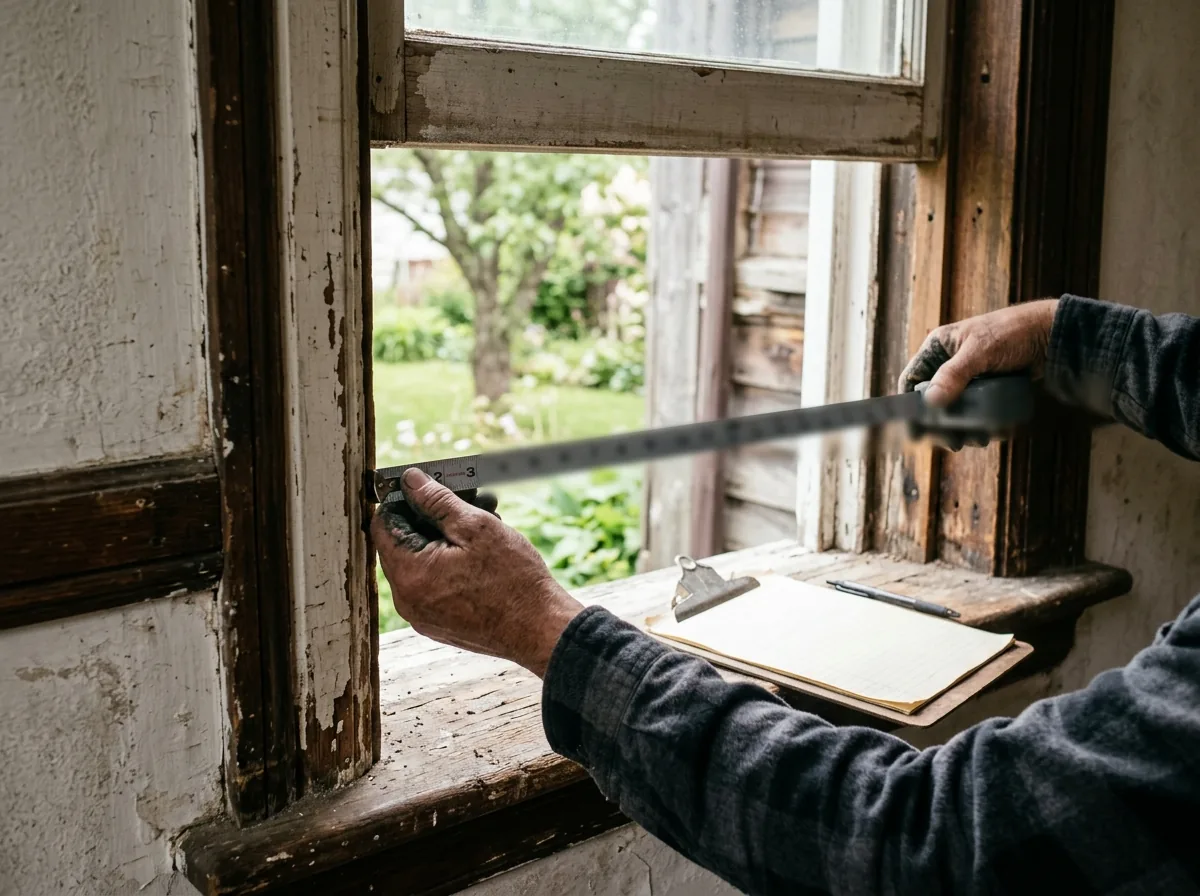
- Every opening is measured on site before a number is put on paper
- Ask for the quote in writing: unit series, glass package, install method
- Homeowners pay nothing for the referral or the visit
Wood Window Cost and the Price of Upkeep
National figures from HomeGuide's wood-vs-vinyl guide; no source publishes Richmond-only prices:
Standard wood windows
$600 to $1,000 each installed.Premium or custom wood
$900 to $1,400 or more installed.Clad wood (aluminum or fiberglass shell)
$700 to $1,300 installed.Extra trim work
wood units sometimes need $50 to $100 more per opening.
The upfront number isn't the whole cost. HomeGuide estimates paint, stain, sealant and labor add $1,500 to $4,500 per window over 30 years, which is the main case for clad units on a house with many windows. That's a national estimate; your own painting habits decide the real figure.
Keeping Wood Windows Sound in a Humid Climate
Repaint on schedule
Every 3 to 7 years for exposed wood, per HomeGuide, and in our view sooner on south and west walls.Re-caulk
HomeGuide puts sealing and caulking on wood windows at every 2 to 5 years.Watch the low points
Check the sill and the bottom rail of the lower sash each spring; that's where rainwater sits longest. Summer dew points near 68°F mean wood that gets soaked in a storm can stay damp for days.Expect a long life with care
InterNACHI lists wood windows at 30 years and up; HomeGuide says 30 to 50 or more with consistent upkeep.
Wood Windows on Older Richmond Houses
More than a quarter of Richmond's homes were built before 1940, and houses that old were built with wood sash. Before ordering new wood windows for one of them, find out whether the old ones can be repaired; the wood window restoration page explains that work and the lead-safe rules that come with old paint. In a City Old and Historic District, new windows have to match the historic material or be wood or aluminum-clad wood, with true or simulated divided lites that carry muntins on both faces and spacer bars between the glass. Grilles-between-the-glass alone won't be approved, and vinyl-clad wood isn't on the accepted list. The review steps are on the restoration page.
See Fiberglass Windows in Richmond, VA for a paintable frame that skips the wood upkeep altogether.
See Storm Windows in Richmond, VA if you would rather keep the old wood sash and add a layer outside it.