
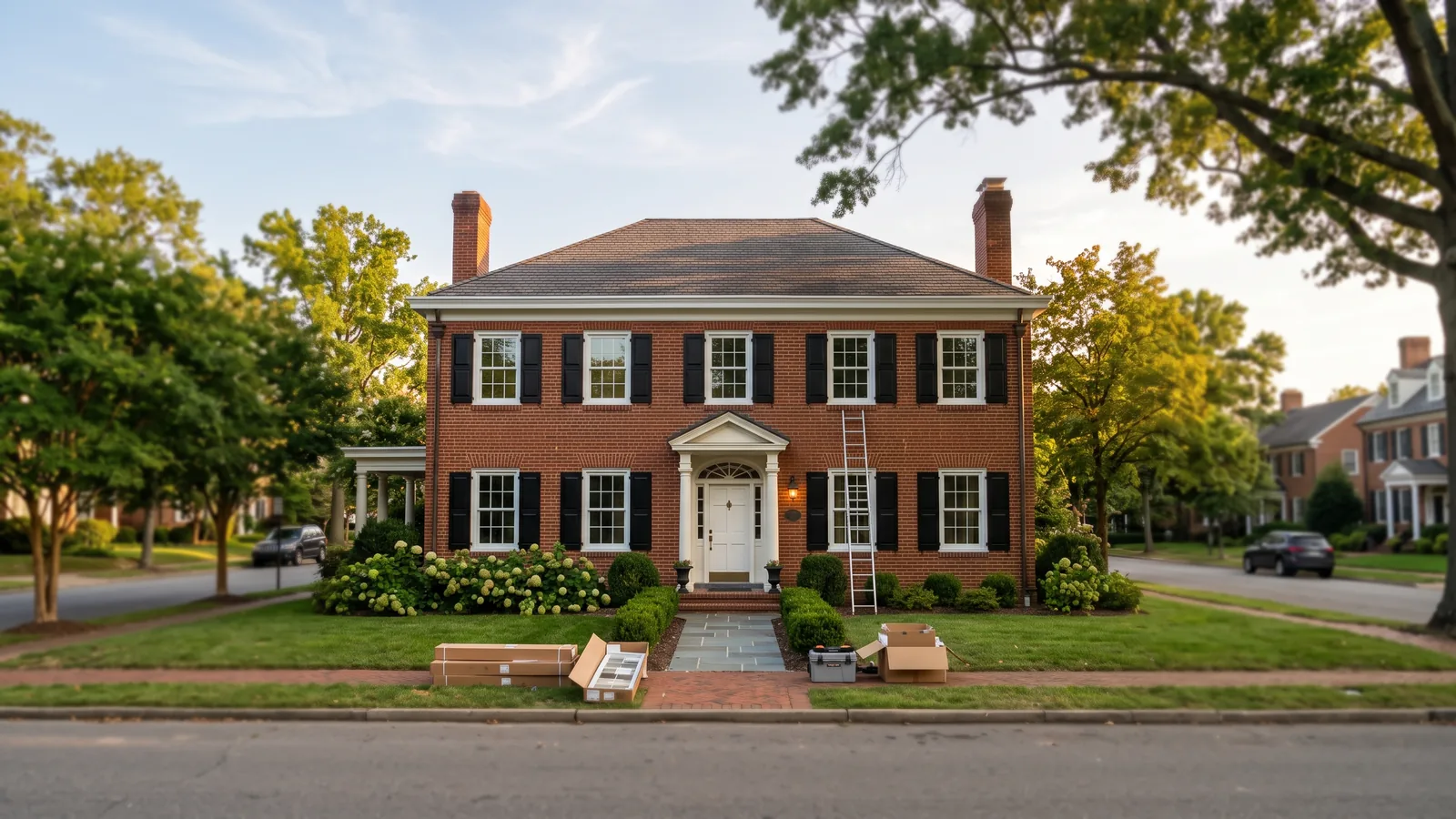
Vinyl Window Types for Richmond Homes
Vinyl comes in almost every operating style. What really differs from one quote to the next is how the frame is built and finished.
Welded Vinyl Double-Hung Units
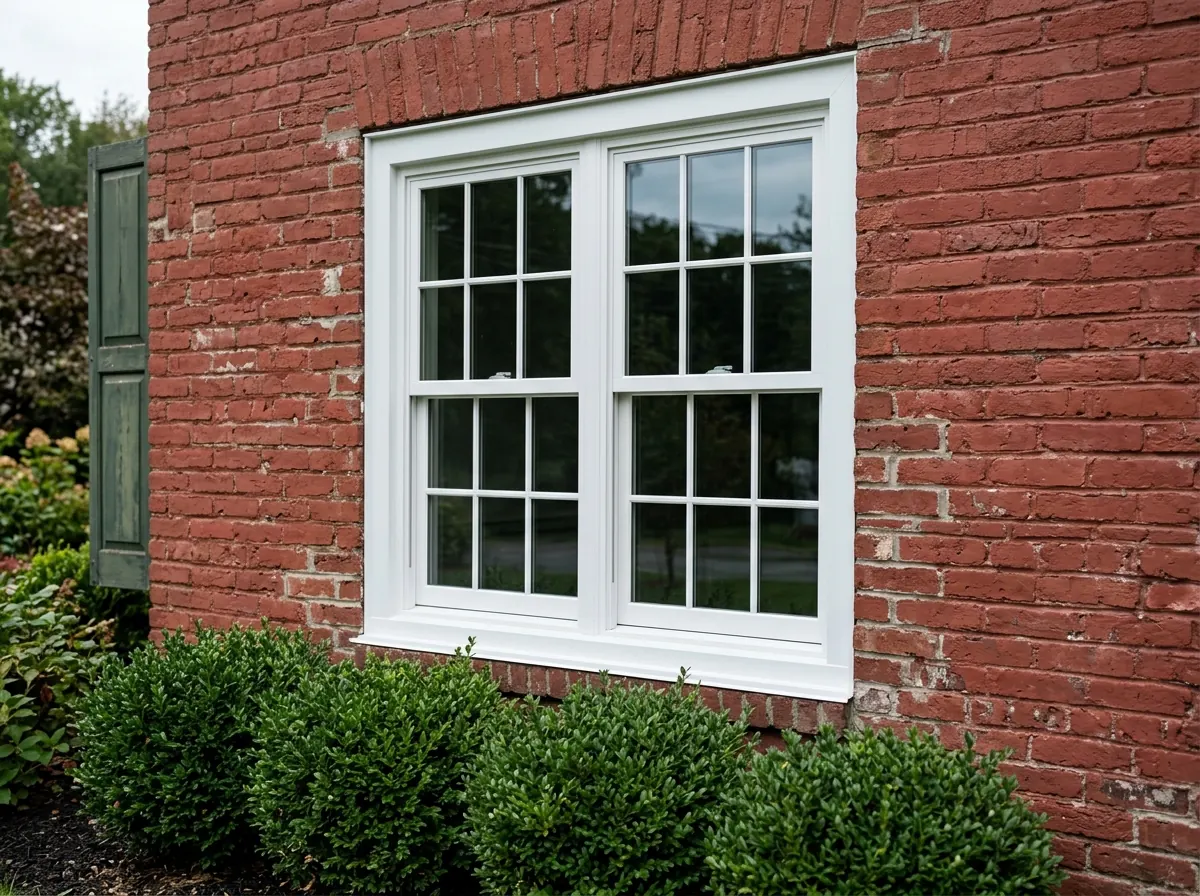
The vinyl double-hung does most of the replacement work in Richmond, because it drops into the tall hung-sash openings older houses here already have. On better units the frame and sash corners are fusion-welded: the PVC is heated and fused into one piece instead of screwed together. HomeGuide credits welded corners with giving quality vinyl some of the best air-leakage ratings in the industry. Both sashes tilt in for cleaning, and the balances ride in the side jambs. Ask to see a corner sample before you sign. A clean, closed weld seam is a fair sign the rest of the frame got the same care.
Vinyl Casement, Awning and Slider Units
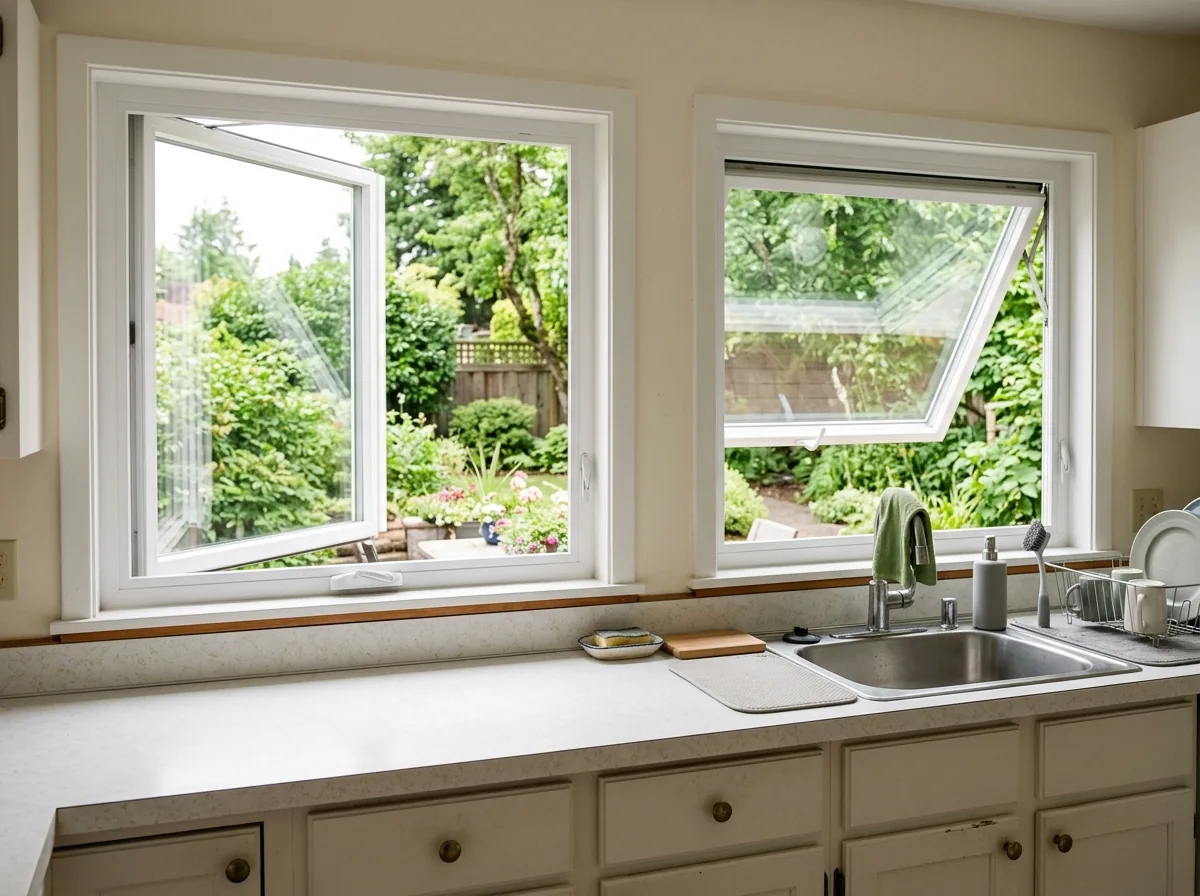
The same extrusions make crank-out casements, top-hinged awnings and horizontal sliders. Casements and awnings pull shut against a compression gasket, so they seal tighter than anything that slides. Sliders have the fewest moving parts and fit the wide, low openings on brick ranches. Vinyl's stiffness does set limits: HomeGuide says some large vinyl windows need internal steel or aluminum reinforcement to keep from sagging, so an extra-wide casement or slider may be quoted in a heavier frame. The casement windows and sliding windows pages cover those styles in depth.
Exterior Colors and Laminate Finishes
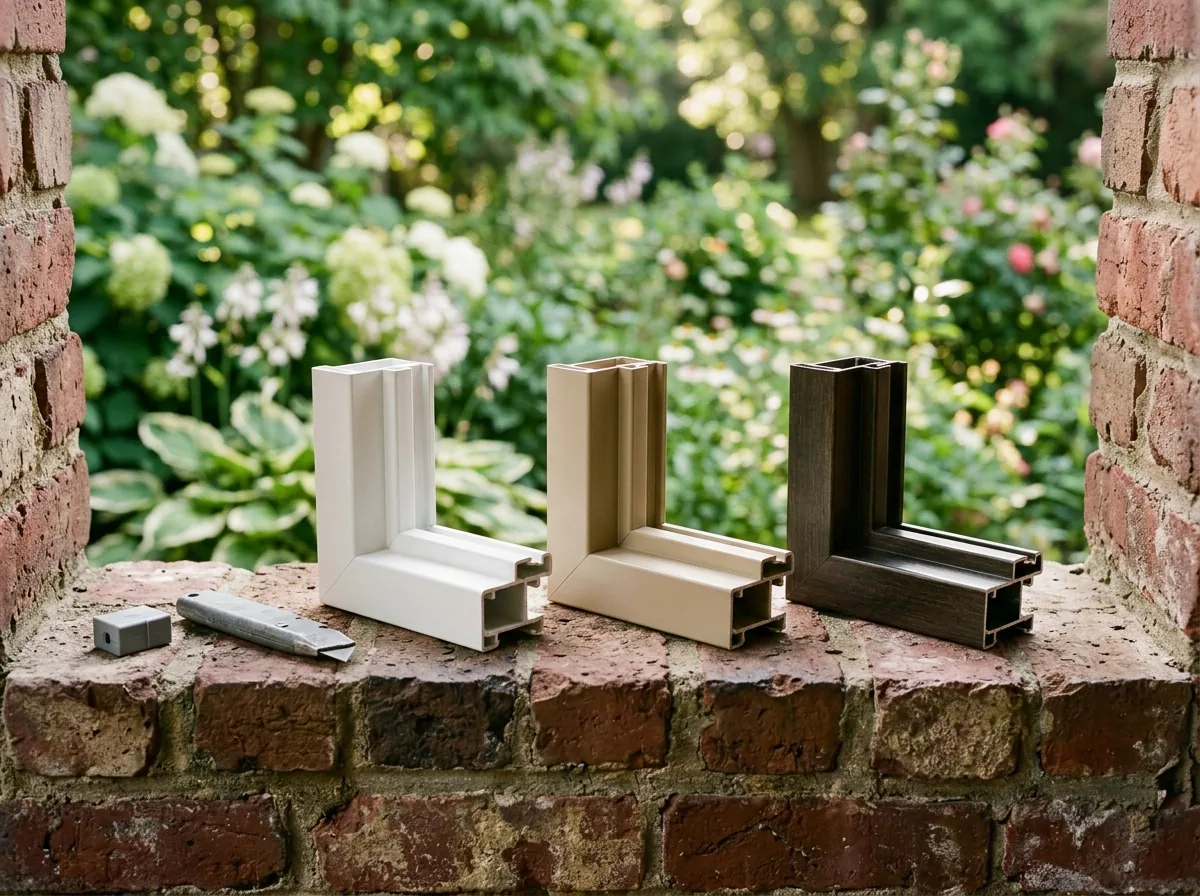
Standard vinyl is colored all the way through, so a scratch shows the same white or tan underneath and there's no finish coat to peel, according to the NFRC's consumer guide. Darker exteriors and wood-grain interiors come as factory laminates or coatings over the PVC. HomeGuide counts 10 to 20 factory colors as typical for a vinyl line. Painting vinyl afterward is a poor shortcut: HomeGuide warns it can void the manufacturer's coverage, and ordinary paint won't stick. Choose a dark exterior with care on a west or south wall; the climate section below explains why.
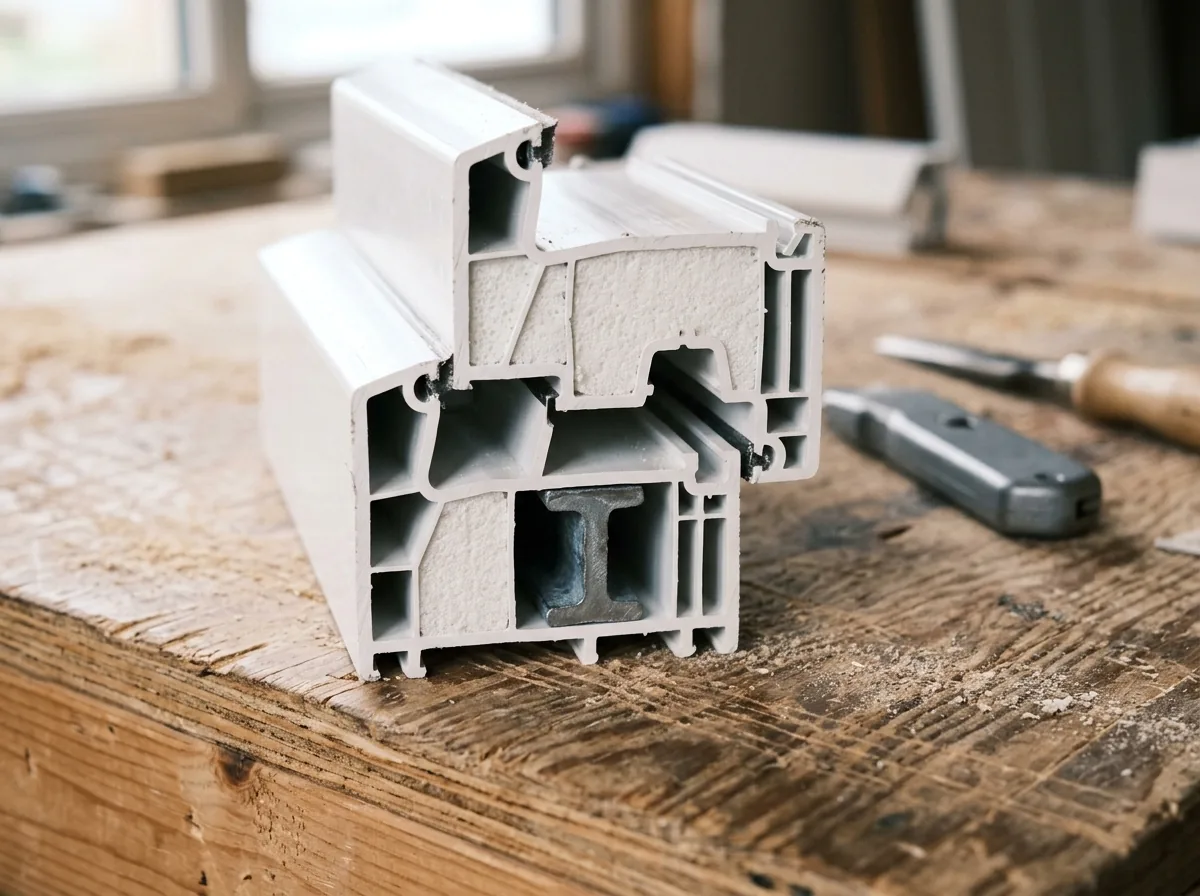
Reinforced and Foam-Filled Frames
Cut a vinyl frame across and you see a honeycomb of hollow chambers. Smaller chambers cut the air currents that carry heat through the frame, and some lines fill the cavities with insulation, the NFRC guide notes. Metal stiffeners go into meeting rails and long frame members on big units. None of this shows once the window is in, which is why two vinyl windows that look the same can be priced far apart. Ask which chambers are filled and where reinforcement runs, then compare the whole-window U-factor on each NFRC label instead of the brochure claims.
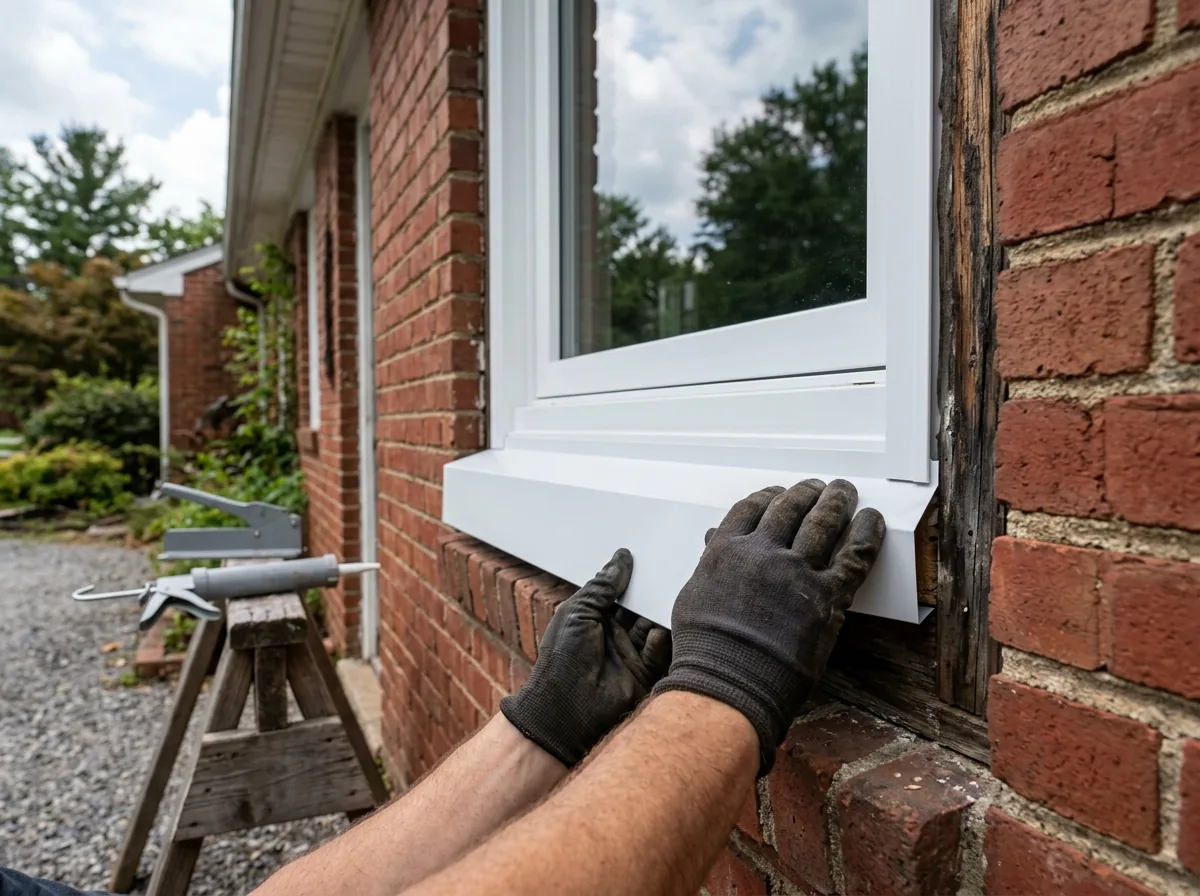
Vinyl Inserts in Brick Openings With Aluminum Capping
On a brick house the vinyl insert usually sits inside the original wood frame, which stays anchored in the masonry. The old exterior brickmold and sill are then wrapped in aluminum coil stock bent on site, so no bare wood is left to paint. Capping is only as good as what's under it. A good installer will probe the sill and blind stop and replace soft wood before covering it with metal. Ask whether capping is in the price, and whether the joint between capping and brick gets backer rod and sealant rather than a thin bead of caulk. The homepage explains the insert vs. full-frame choice.
Why Richmond homeowners call Richmond Expert Windows
- A single independent window contractor gets your request, never a lead auction
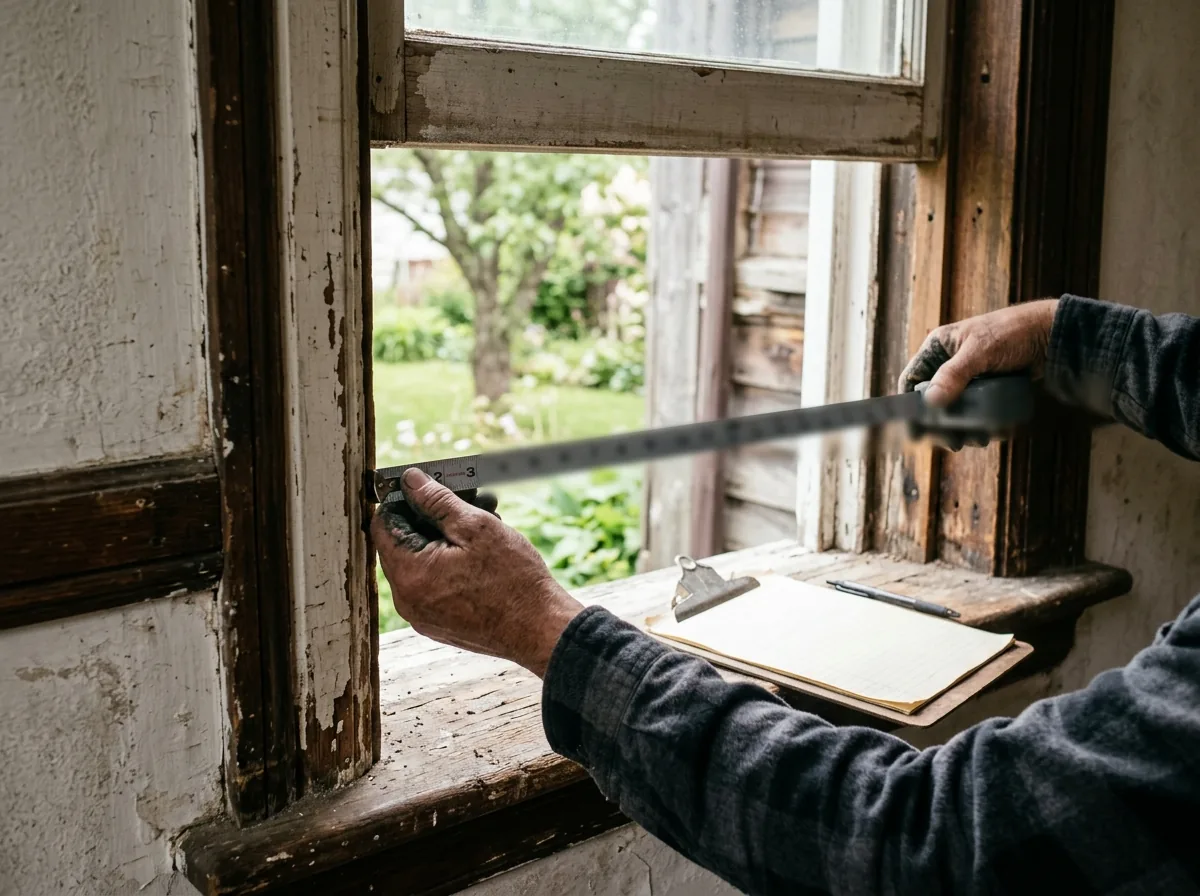
- Every opening is measured on site before a number is put on paper
- Ask for the quote in writing: unit series, glass package, install method
- Homeowners pay nothing for the referral or the visit
Vinyl Window Cost in Richmond
No public source prices vinyl windows for Richmond alone. These are national figures from HomeGuide:
Per window, installed
HomeGuide's vinyl cost guide puts most vinyl replacement windows at $350 to $1,500 each, with labor alone at $100 to $500. Its vinyl-vs-fiberglass comparison, which prices standard sizes, gives $250 to $750.Budget vs. premium lines
That comparison puts budget vinyl at $250 to $450 installed and premium vinyl at $450 to $750. The difference mostly buys welded corners, filled frames and better glass.Removal and disposal
Hauling the old units away adds $50 to $200 or more per window when it's billed as its own line.Hidden damage
Rot or structural problems found once the old sash comes out are extra, so ask how the quote handles them.
Vinyl Frames in Richmond Heat and Humidity
Humidity is vinyl's strong suit. It shrugs off moisture and can't rot, which counts for a lot in a city where the average July dew point runs near 68°F. Heat is the weak spot. The NFRC guide says vinyl tends to expand and contract as the temperature changes, and HomeGuide rates that movement higher than fiberglass or wood. HomeGuide adds that dark vinyl absorbs more solar heat and is more likely to warp, and Richmond's airport station sees about 45 afternoons a year reach 90°F. Our view: a white or tan frame is the safe choice for a west wall that bakes all afternoon. If you want a dark exterior, ask whether that line's dark finish is built for full sun.
On lifespan, HomeGuide gives quality vinyl 20 to 40 years and says builder-grade units can show seal failure, fading or warping within 15 to 20. A damaged vinyl frame generally can't be patched the way wood can; it gets replaced.
What to Put on a Vinyl Window Quote
Frame build
Welded or mechanical corners, chamber count, foam fill and reinforcement.Glass
Coating, gas and spacer, plus the whole-unit U-factor and SHGC for each size. The energy-efficient windows page sets out the code and ENERGY STAR numbers for Richmond.Install method
Insert or full-frame, and what happens to the interior stops and casing.Exterior finish
Whether capping is included, and its color against the frame.Grilles
Flat grids sealed inside the glass or bonded SDL bars, and which pattern.Historic status
Vinyl won't get through review in a City Old and Historic District; the wood window restoration page explains those rules.
See Fiberglass Windows in Richmond, VA for a low-upkeep frame that copes better with dark colors and hard sun.
See Wood Windows in Richmond, VA when painted wood or a clad-wood unit suits the house better than PVC.