
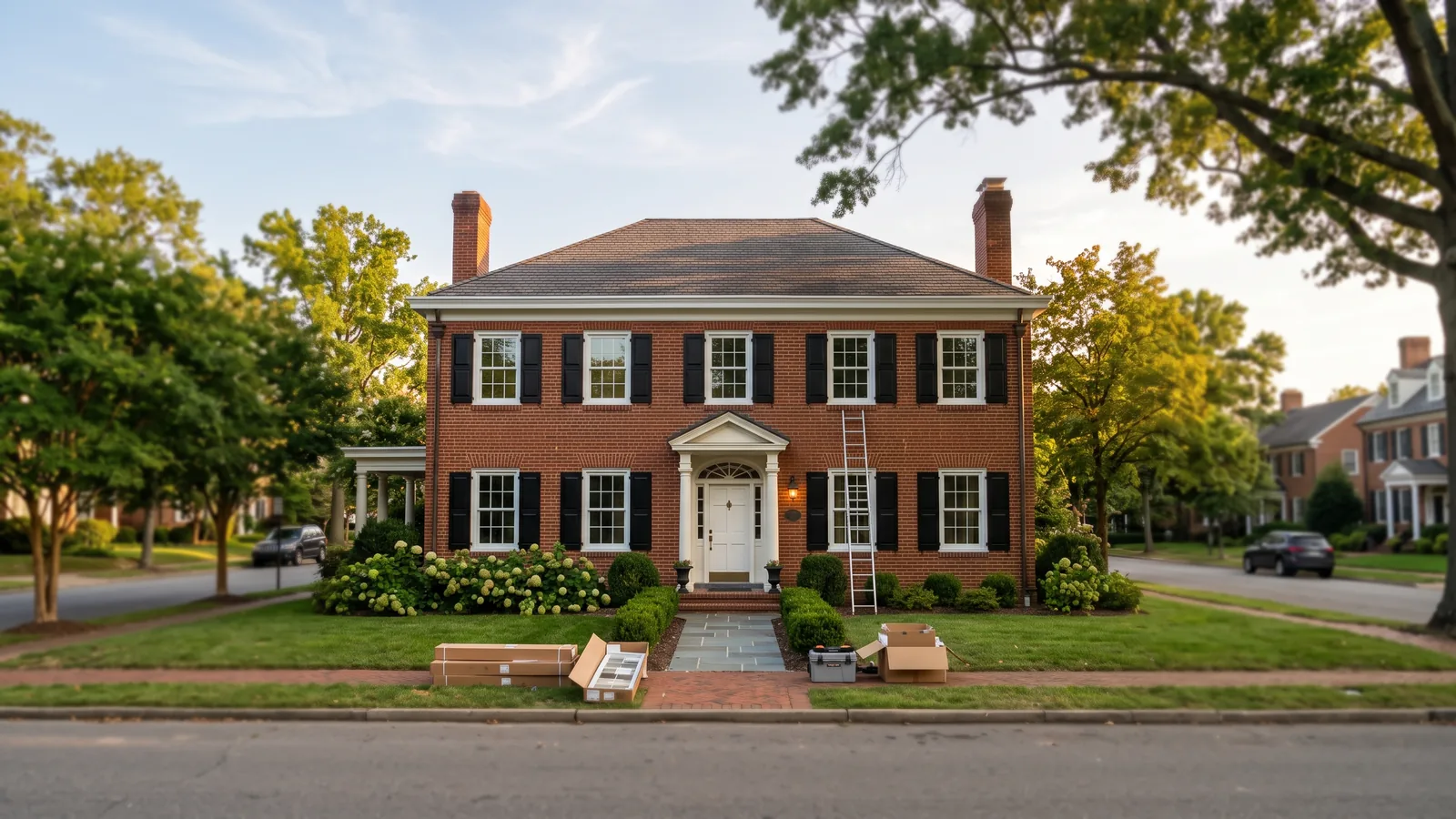
Fiberglass Window Frames and Composite Options
"Fiberglass" on a quote can mean several different frames. These are the ones Richmond homeowners usually end up comparing.
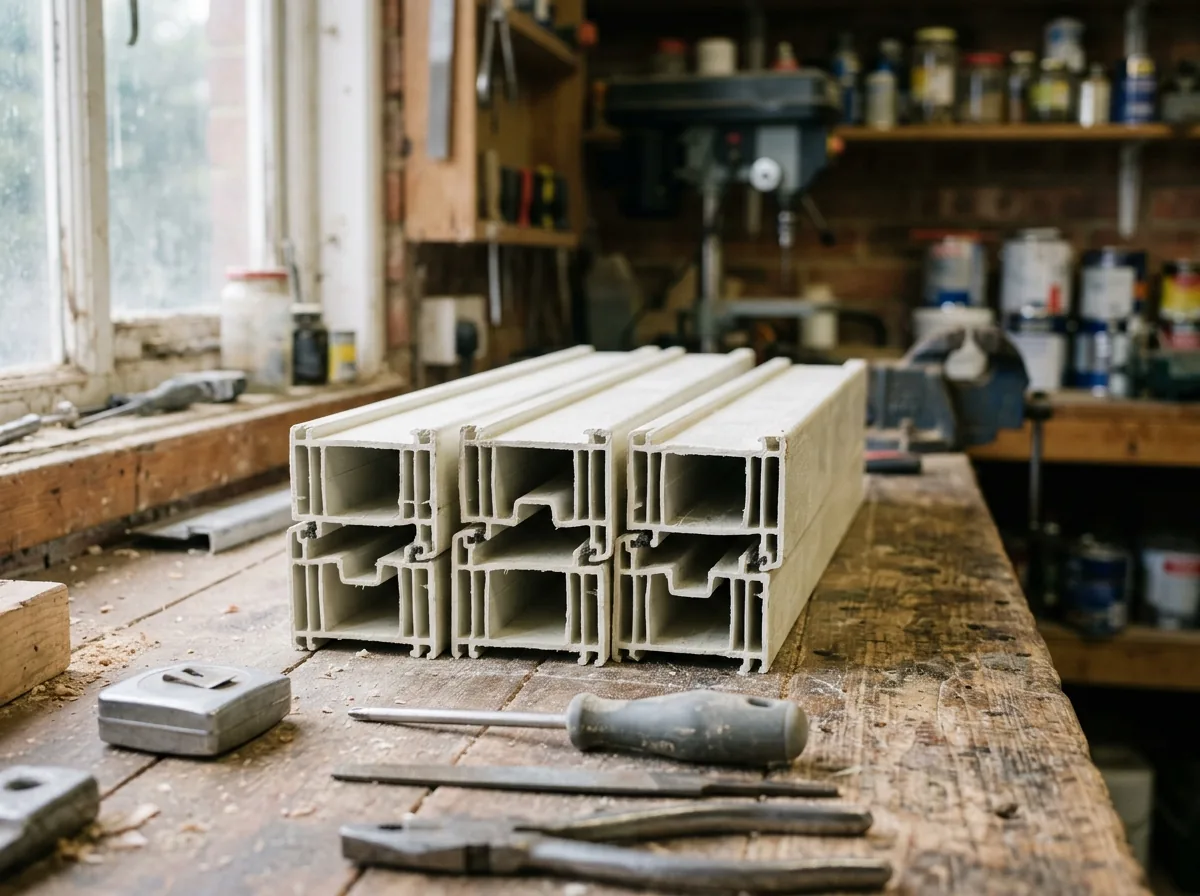
Pultruded Fiberglass Frames
Pultrusion is a continuous process: glass-fiber strands and mat are soaked in resin and pulled, rather than pushed, through a heated die that sets one constant profile. The result is a hollow frame piece that the NFRC's consumer guide calls strong, durable and dimensionally stable. HomeGuide says fiberglass expands and contracts at nearly the same rate as the glass it holds. That is the core technical case for it, because the glass edge seal and glazing tape aren't being flexed every hot afternoon. Corners are usually joined with brackets or screws rather than welded, and HomeGuide notes that some fiberglass windows leak more air than welded vinyl as a result. Read the air-leakage figure if the label lists one, not only the U-factor.
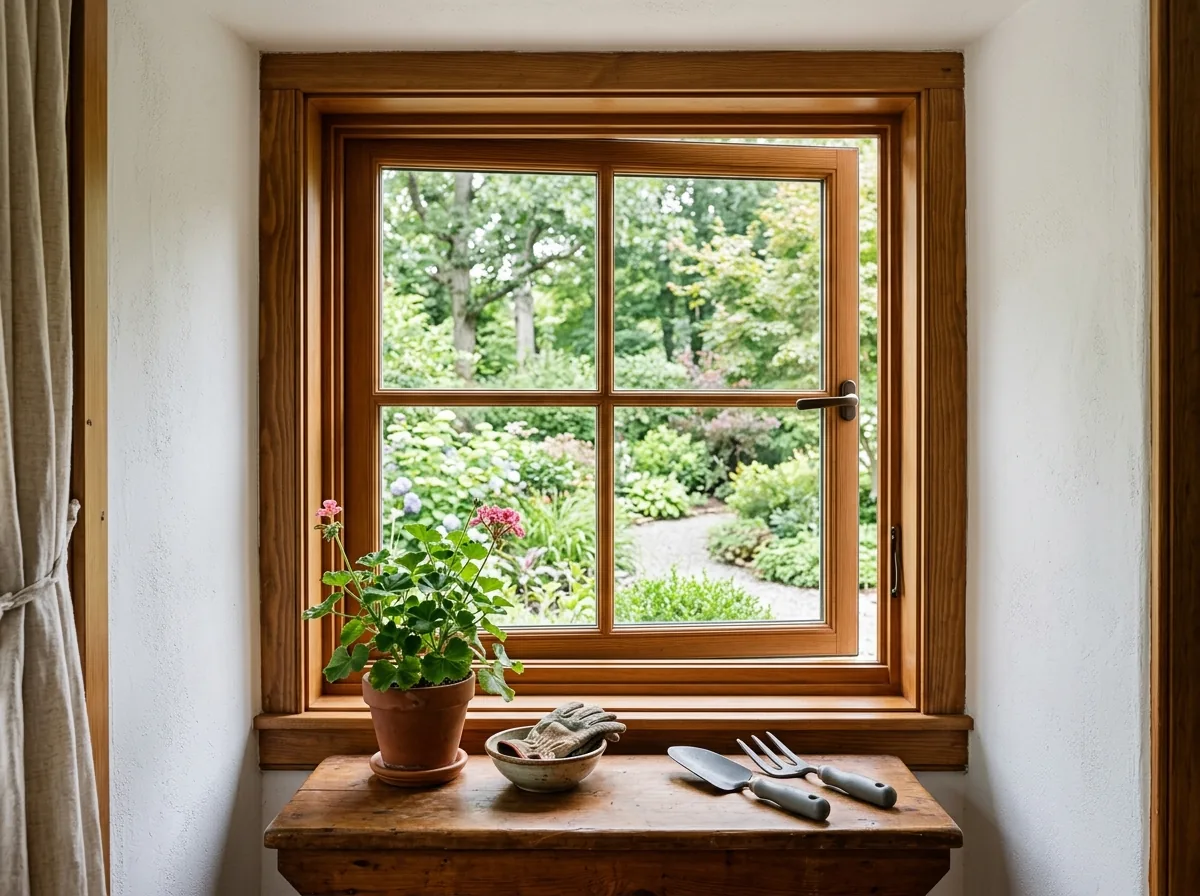
Fiberglass With Wood Interiors
These hybrid units bond a wood inner face to a fiberglass exterior, a design the NFRC guide describes as split-sash. You get stainable wood inside, where it sits next to old trim, and a shell outside that never needs scraping. They suit a dining room or study with stained casings. The interior wood still needs a finish, so ask whether it arrives raw, primed or prefinished, since that changes who does the work and when. Mixed frames are hard to judge by eye, which is why the NFRC guide points buyers to the whole-window label.
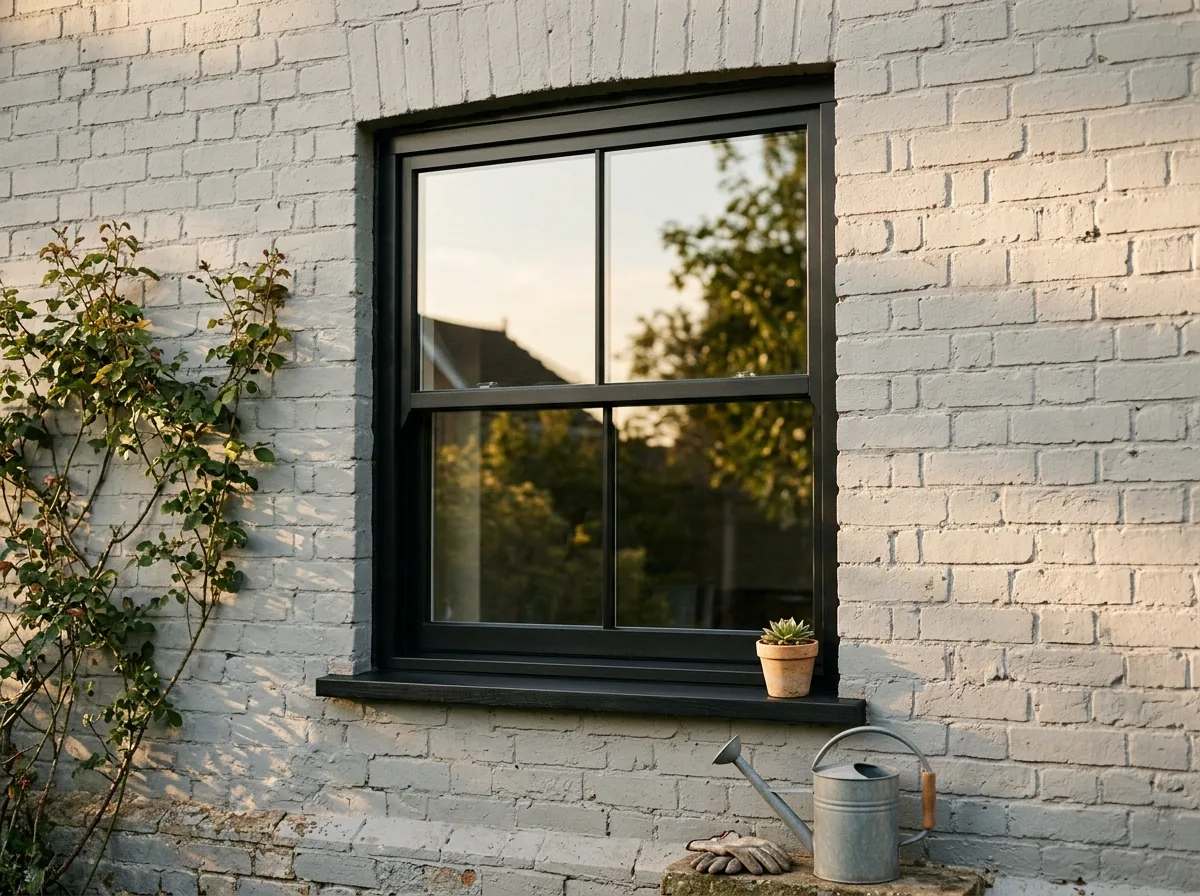
Painted and Dark Exterior Finishes
Fiberglass frames are usually painted at the factory, which opens up a far wider palette than vinyl, including black, bronze and deep greens. In our view, because the frame barely moves with heat, a dark finish on fiberglass is less of a gamble than dark PVC on a sunny wall. The tradeoff is the paint itself. HomeGuide notes a factory finish can fade or chalk over time and may need repainting. The upside is that fiberglass can be repainted to a new color later, which vinyl isn't designed for.
Narrow-Frame Fiberglass Double-Hung for Older Homes
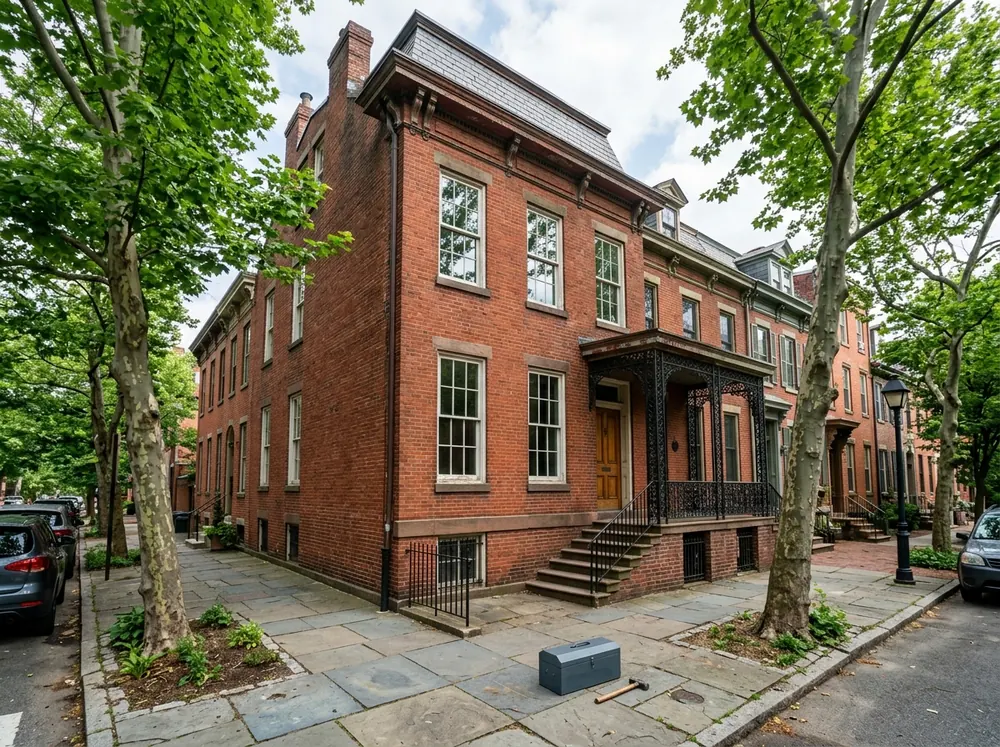
Fiberglass is stronger by weight than vinyl, so manufacturers can draw thinner frame profiles, HomeGuide says, and thinner frames mean more glass. That matters most on an insert, which already loses some glass because it nests inside the old frame. On the tall six-over-six windows of a rowhouse or Colonial Revival front, a slim meeting rail also reads closer to the original wood sash than a chunky one. One limit: fiberglass isn't among the materials Richmond's historic review guidelines accept in City Old and Historic Districts, so check the wood window restoration page before choosing it for a house in one.
Composite Frames (Wood Fiber and Resin)
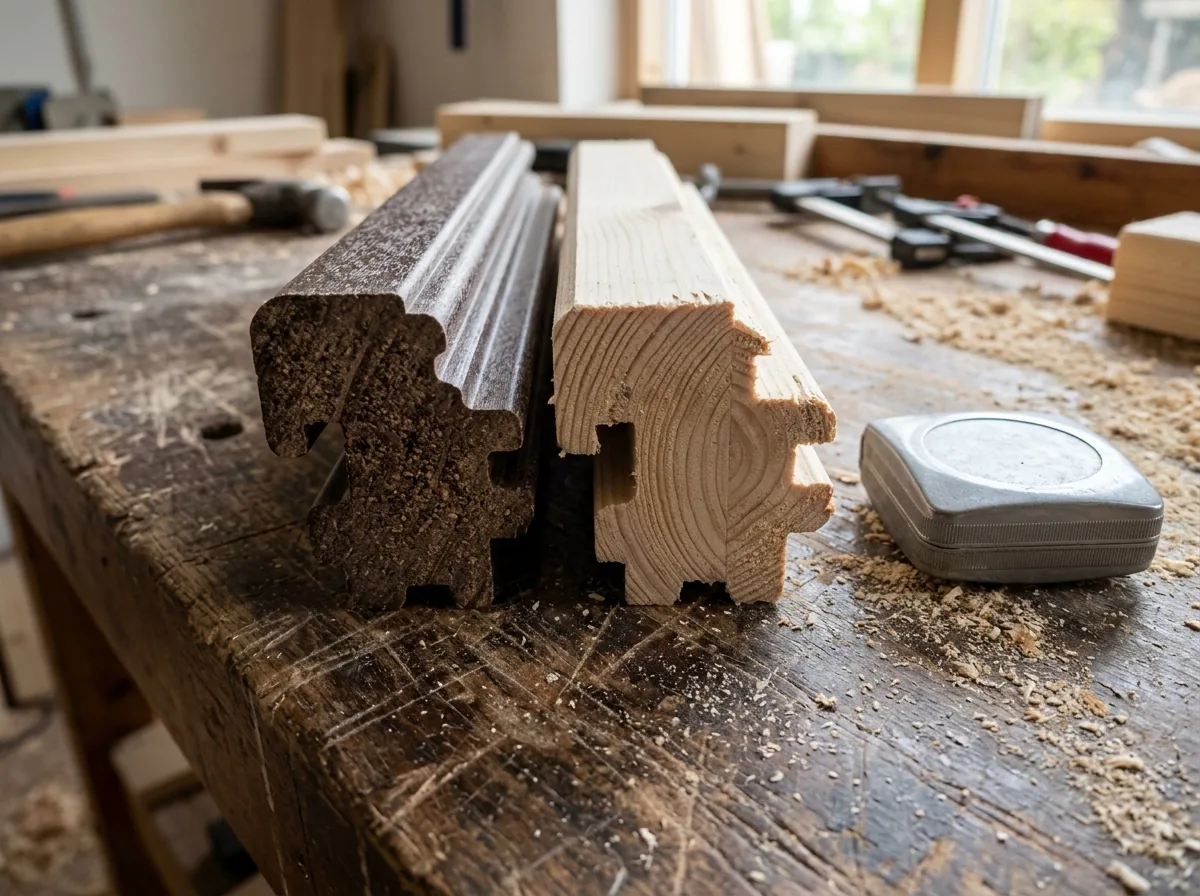
Composite frames are not fiberglass, though sales sheets often file them together. They are wood particles and polymer extruded into frame lengths. The NFRC guide calls them very stable, with structural and thermal properties equal to or better than wood, plus better moisture and decay resistance. They can be painted, and some are textured to look like wood. HomeGuide puts composite windows at $400 to $2,300 each installed, in the same bracket as fiberglass. Ask the installer to name the frame material in writing so you know which one you're buying.
Why Richmond homeowners call Richmond Expert Windows
- A single independent window contractor gets your request, never a lead auction
- Every opening is measured on site before a number is put on paper
- Ask for the quote in writing: unit series, glass package, install method
- Homeowners pay nothing for the referral or the visit
Fiberglass Window Cost Against Vinyl
National figures only; nothing published covers Richmond alone. HomeGuide's vinyl-vs-fiberglass guide prices fiberglass at $500 to $1,500 per window installed, against $250 to $750 for vinyl. Within fiberglass it splits budget lines at $500 to $900 installed and premium lines at $900 to $1,500. On a whole house of 10 to 20 windows, the same guide estimates vinyl saves roughly $3,000 to $8,000, sometimes more, and suggests the money may do more good spent on better glass.
Our take: the fiberglass premium earns its keep on dark exterior colors, on big openings where vinyl would need steel reinforcement, and on walls that take the full afternoon sun. On a shaded north wall, the gap is harder to justify. The install method can swing the price as far as the frame choice: a full-frame job with new flashing and trim costs more than an insert, for reasons the homepage lays out.
Fiberglass Upkeep and Lifespan
Lifespan
HomeGuide gives fiberglass 30 to 50 years. InterNACHI's life-expectancy table is more cautious and groups vinyl and fiberglass together at 20 to 40 years. Treat both as guidelines, not promises.Paint
Plan on touch-ups, and possibly a repaint decades out. Ask what finish the factory uses and whether touch-up paint comes with the order.Install damage
Fiberglass is rigid and can chip or crack if it's mishandled during installation, HomeGuide warns. A good installer will check every frame for chips at the walk-through.Weatherstripping
Expect to replace it every 10 to 15 years, the same interval HomeGuide gives vinyl.Sealant joints
The caulk between the frame and the brick or siding wears out long before the frame does. InterNACHI gives exterior caulking 5 to 10 years, so put the perimeter joints on the same check as the gutters.
Fiberglass in Richmond's Hot-Summer, Cold-Winter Swing
Richmond's normal January low is about 29°F and its normal July high close to 90°F, a yearly spread of roughly 60 degrees in air temperature alone. HomeGuide's view is that in regions with hot summers and cold winters, fiberglass's lower expansion helps keep a tighter seal over time, while in mild climates the difference shrinks to very little. Richmond is a mixed climate that sits between those cases, and the energy-efficient windows page covers the ratings that matter here. We'd put the stable frame to work where glass and frame see the widest daily swings: big south- and west-facing windows.
See Vinyl Windows in Richmond, VA if the budget points toward a welded PVC frame.
See Wood Windows in Richmond, VA for all-wood and clad units with real wood inside and out.