
Window Sash Replacement Options
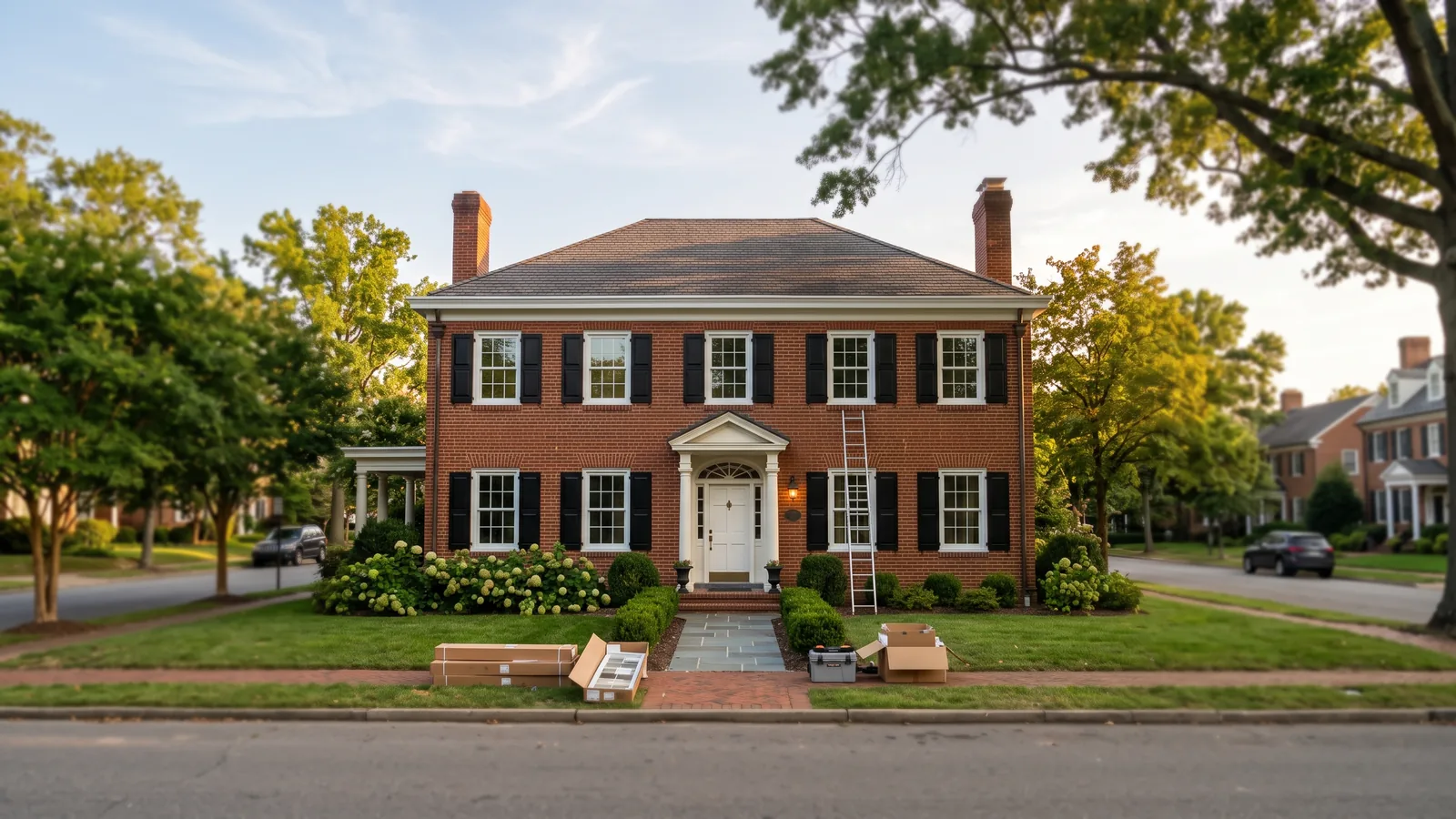
The right option depends on the frame you're keeping and how close the new sash has to match the old. These are the five choices an installer will usually walk through.
Sash Replacement Kits With New Jamb Liners
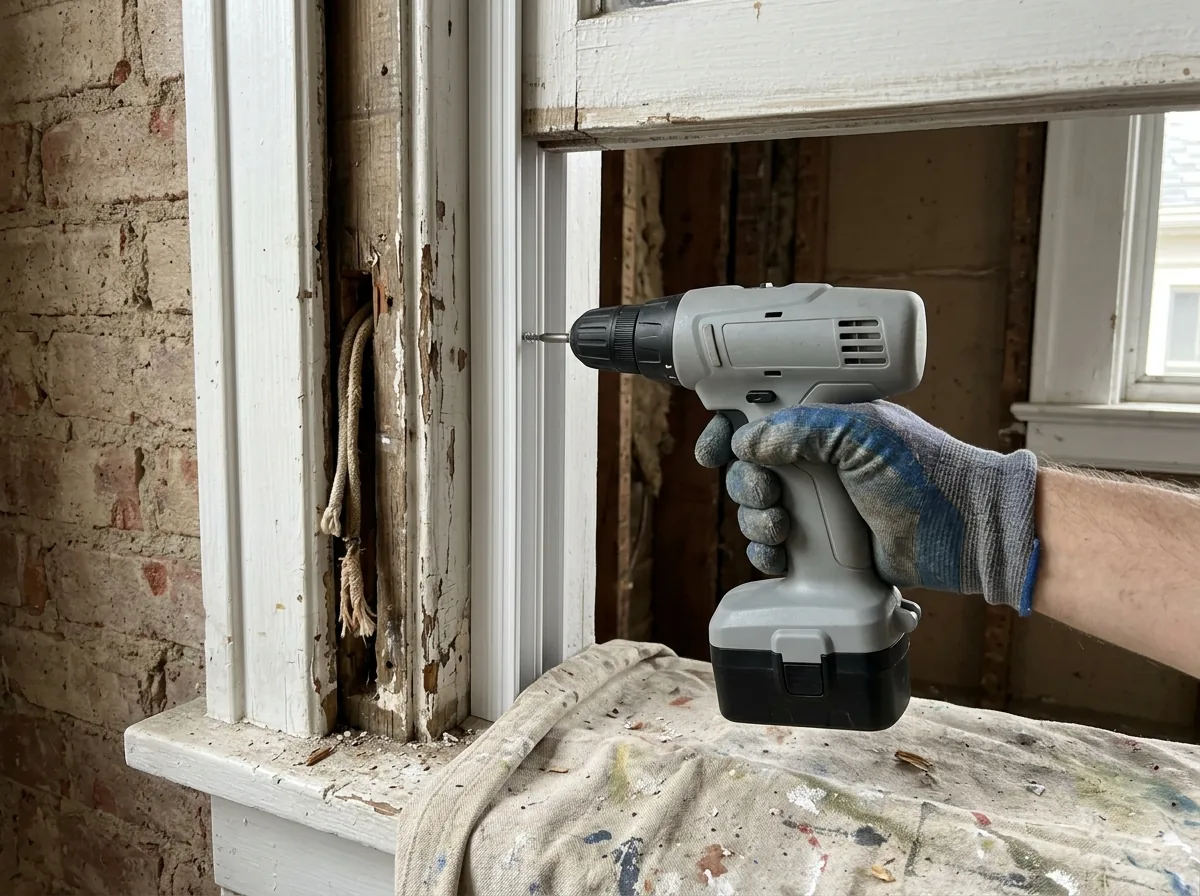
A sash kit swaps the moving parts of an old double-hung for new ones. The installer pulls the old sashes, parting bead and cords, fastens a pair of vinyl or aluminum jamb liners to the side jambs, and clips in two new tilt-in sashes with insulated glass. The liners carry the balances, so the old weights and pulleys go out of service. Ask whether the empty weight pockets get filled with insulation before the liners close them off, since an empty pocket is an open, uninsulated cavity beside the window.
Wood Tilt-In Sash Packs
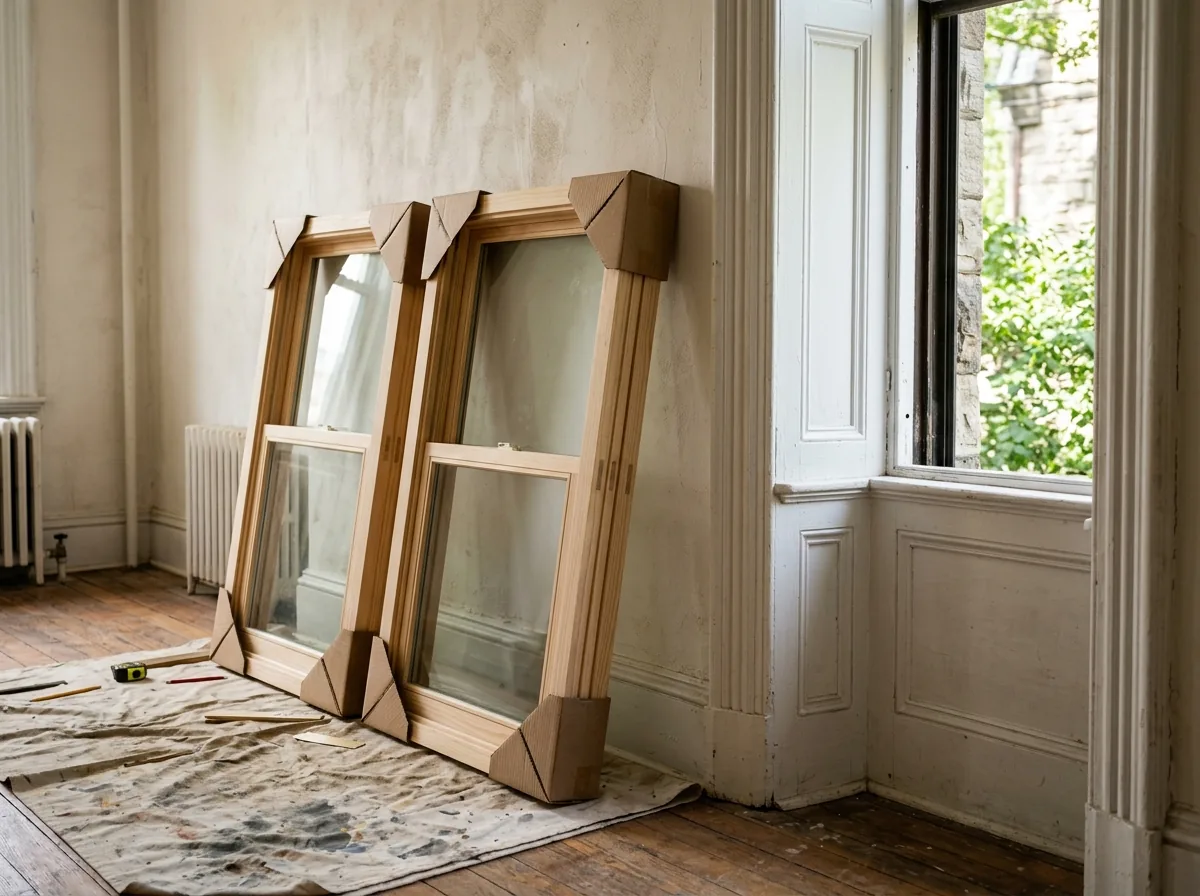
Some kits pair primed or unfinished wood sashes with a liner system, sized to the measured frame. They keep the look of wood rails and stiles inside the room and can be painted or stained to match the trim. Wood sash is also the costliest sash material in HomeGuide's national figures, about $300 to $800 per window installed, against $200 to $500 for vinyl.
Clad Sash (Aluminum or Vinyl Exterior)
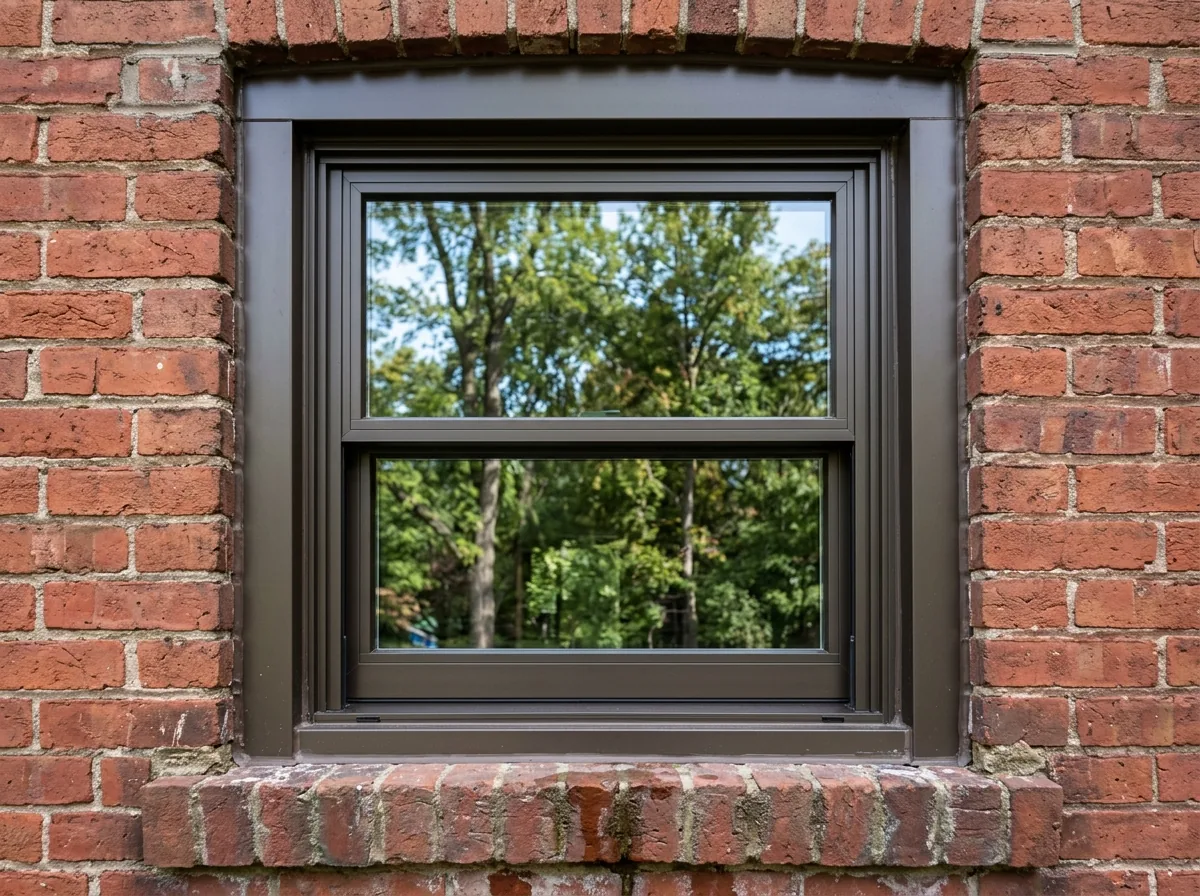
A clad sash is wood inside with an aluminum or vinyl shell on the weather side. The outside never needs paint, and the inside still looks like wood. Clad sash makes sense where the exterior frame is already capped in aluminum, so the new sash and the trim weather the same way. In a City Old and Historic District, material and finish need review first; the wood window restoration page explains why.
One Sash or the Pair
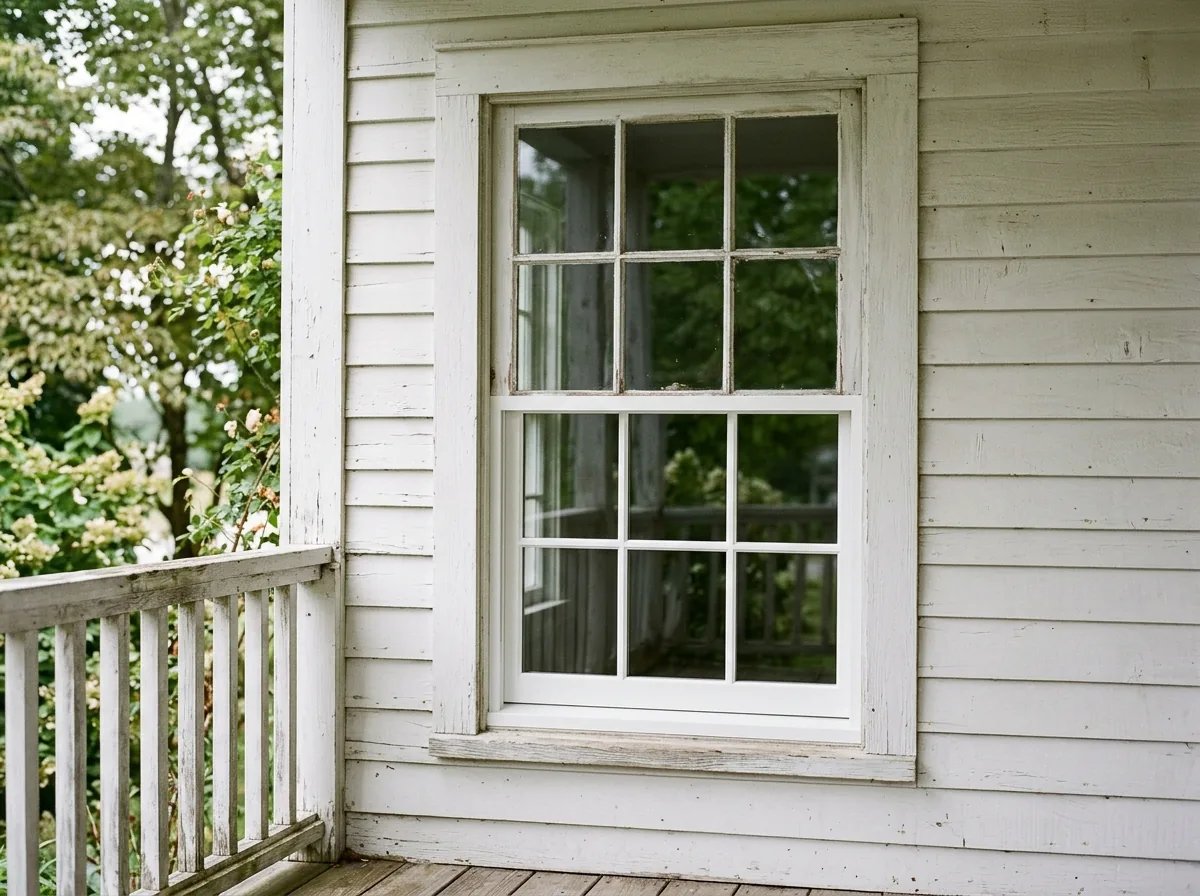
On a lot of old double-hungs, only the bottom sash ever gets opened; the top one may have been painted shut for years. Replacing just one sash costs less, but the new one has to match the old in glass, profile and paint line, or it looks patched. Replacing the pair costs more, but both sashes then seal and tilt the same way. A good installer will price both so you can compare.
Matching Old Frame Profiles and Stops
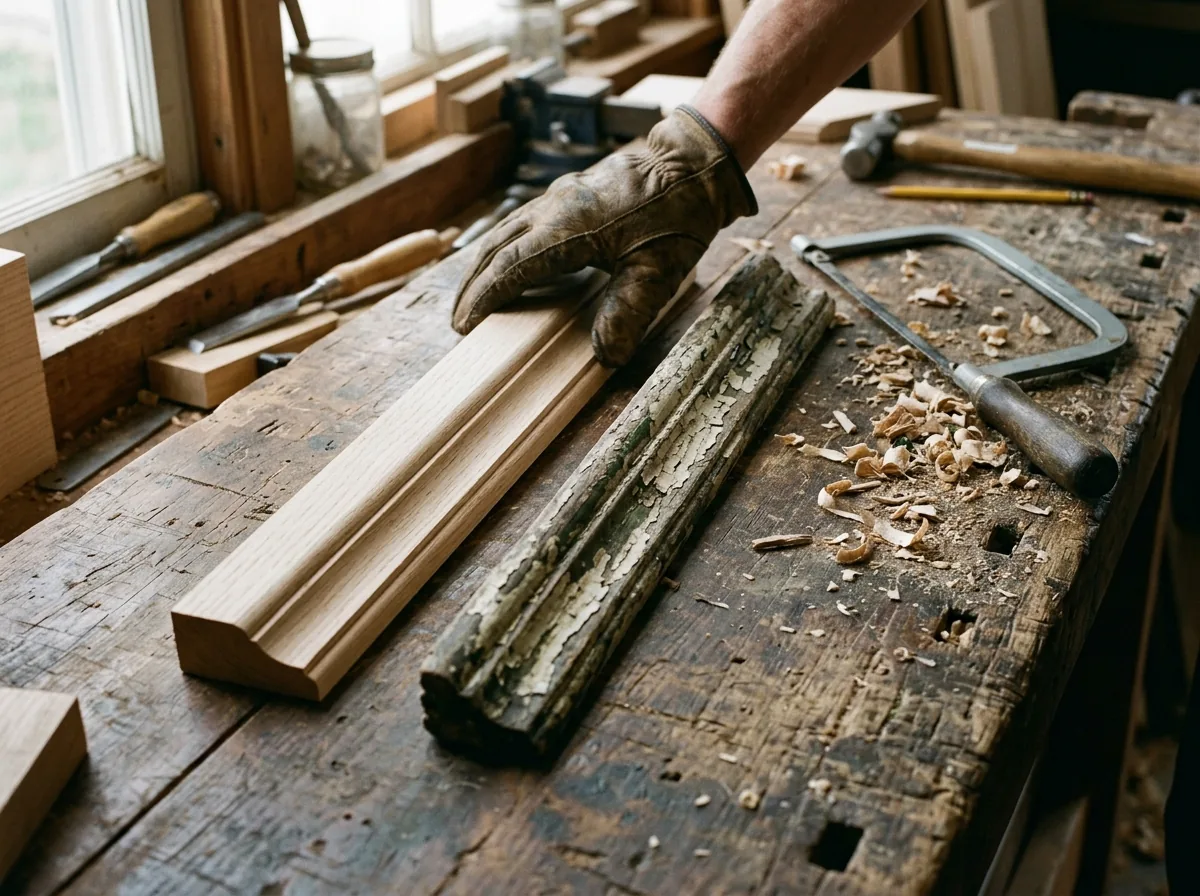
On older houses the interior stop and the parting bead have their own molded profile, and sizes vary from window to window. NPS notes that the parting bead is thinner and more delicate than the interior stop, so it often breaks on the way out. Where a stop or bead can't be saved, ask for new stock milled to the old profile instead of a stock shape that won't line up with the trim.
Why Richmond homeowners call Richmond Expert Windows
- A single independent window contractor gets your request, never a lead auction
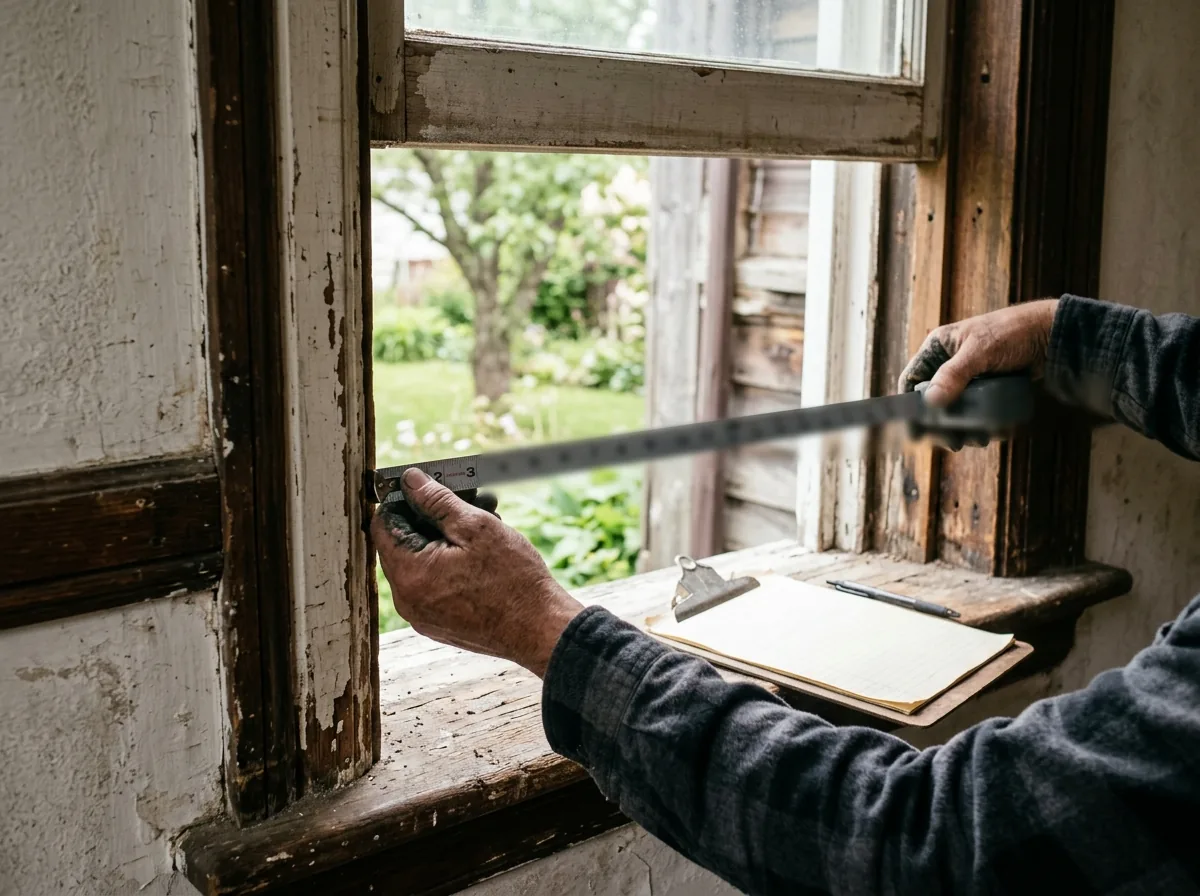
- Every opening is measured on site before a number is put on paper
- Ask for the quote in writing: unit series, glass package, install method
- Homeowners pay nothing for the referral or the visit
Window Sash Replacement Cost
No Richmond-only price is published. HomeGuide's national ranges put the job at $200 to $600 per window, about $150 to $400 of it for the sash and $50 to $200 for labor. By window type:
Single-hung
$200 to $500, with one moving sash and fewer parts.Double-hung
$250 to $600, since both sashes move and need hardware.Casement
$250 to $800 or more; the sash is heavier and needs sturdy hinges.
HomeGuide puts labor for fitting sash into older wood frames at $100 to $200 per window, and $300 or more where damaged material has to be cut out first. When the frame has to go too, its figure for frame replacement is $200 to $600 for a standard window.
The glass package moves the price as much as the sash. HomeGuide names double or triple glazing, low-E coatings and gas fills as cost adders, along with custom replication work for historic homes. If you're paying for new sash anyway, it's worth comparing glass options against the ratings on the energy-efficient windows page. HomeGuide also lists the usual signs that a sash is done: it's hard to open or close, it's rotted, warped or cracked, there's fog between the panes, or drafts and leaks show up indoors.
Window Sash Replacement, Step by Step
- 1
Measure and probe
A good installer will measure width and height in more than one place, check the frame for square and push a probe into the sill. - 2
Order
Sash and liners are built to the measured size, so this is most of the wait. - 3
Remove
Interior stop and parting bead come off, the old cords are cut or knotted so they don't fall into the weight pocket, and the sashes come out. Disturbing paint on a house built before 1978 brings in EPA's lead-safe work rules, explained on the wood window restoration page. - 4
Fit
Liners or new stops go in, the sash is set, and both sashes are tilted and locked to check the fit. - 5
Finish
Stops go back, gaps are sealed, and painted parts are touched up.
Window Sash Replacement Isn't Always the Fix
A sash swap only makes sense if the frame can carry it. If the sill is soft, fix that first on the window sill repair page, or the new sash will sit in a frame that keeps rotting. If the trouble is only a snapped cord, a stuck balance or a cracked pane, the window repair page has cheaper fixes. If the glass fogs but the sash is fine, a new glass unit may be all you need. And for an upstairs window close to the floor, ask whether the fall-protection rules on the double-hung windows page apply to the work you're planning.
Window Sash Replacement in Older Richmond Houses
Richmond's housing runs old, as the census figures on our home page show, so plenty of frames here are old-growth wood with weight pockets and molded stops. That's the case where a sash kit and a full restoration compete. A kit gives you insulated glass and sashes that tilt in for cleaning. Restoration keeps the original sash and glass and, with a storm added, closes much of the energy gap. In our view, a kit is the practical call on a rear or side elevation of a house outside the historic districts; on a front facade with original sash, price restoration too before deciding.
See Storm Windows in Richmond, VA for adding a storm over a window with a new sash.