
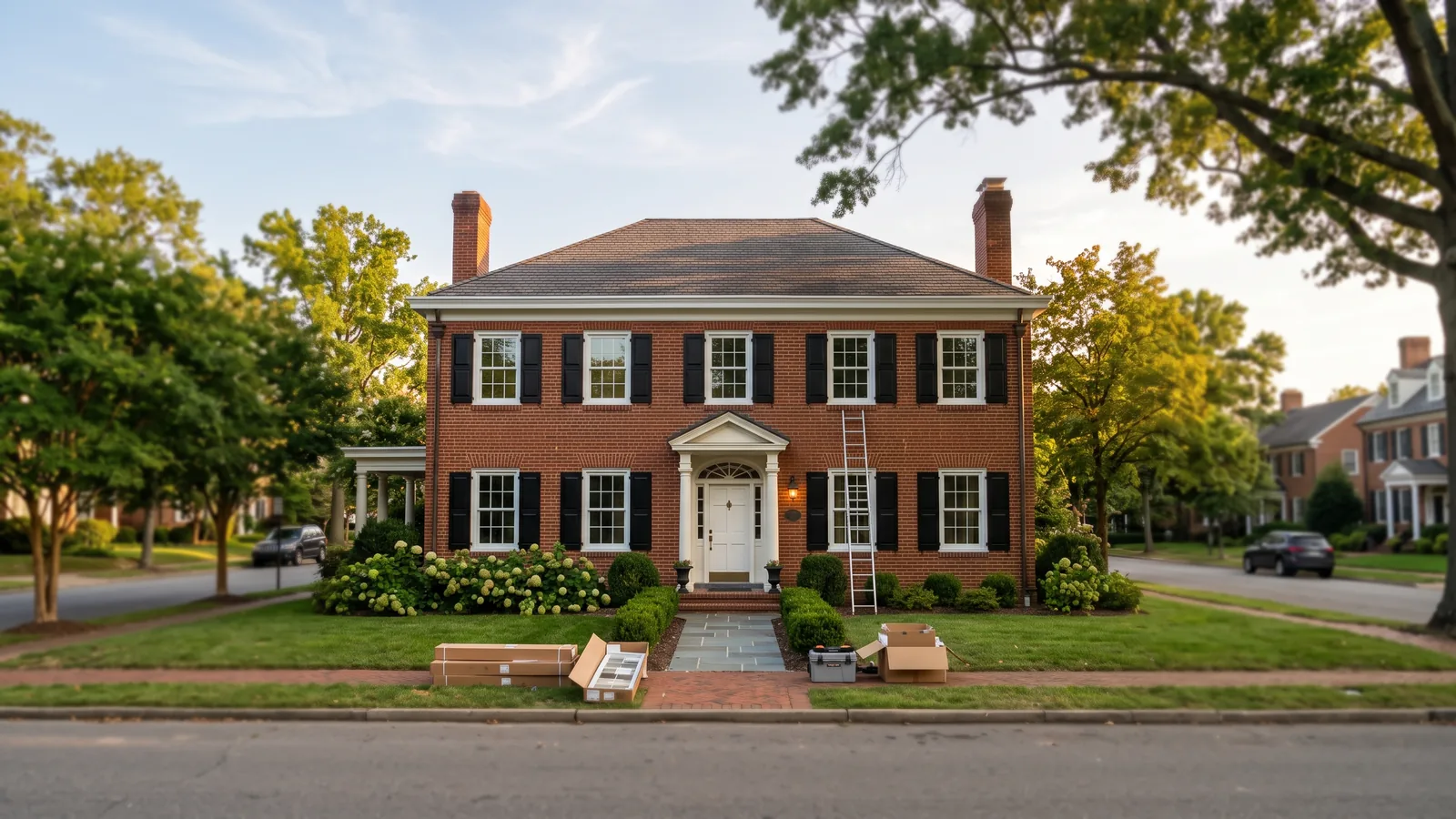
Energy Efficient Window Glass Packages
Most of a window's efficiency sits in the sealed glass unit. These are the choices a quote should spell out, one by one.

Double-Pane Low-E With Argon
Two panes, a sealed gap filled with argon, and one low-E coating: this is the standard efficient window, and the baseline every other option here gets measured against. The NFRC's consumer guide calls argon the popular, affordable gas fill. Some gas escapes over the years, at about 0.5% a year for an efficient unit, so after 20 years the window still performs at roughly 90% of where it started. HomeGuide puts double-pane windows at $400 to $2,000 each installed, nationally. The spread comes from size, style and frame material.
Triple-Pane With Argon or Krypton
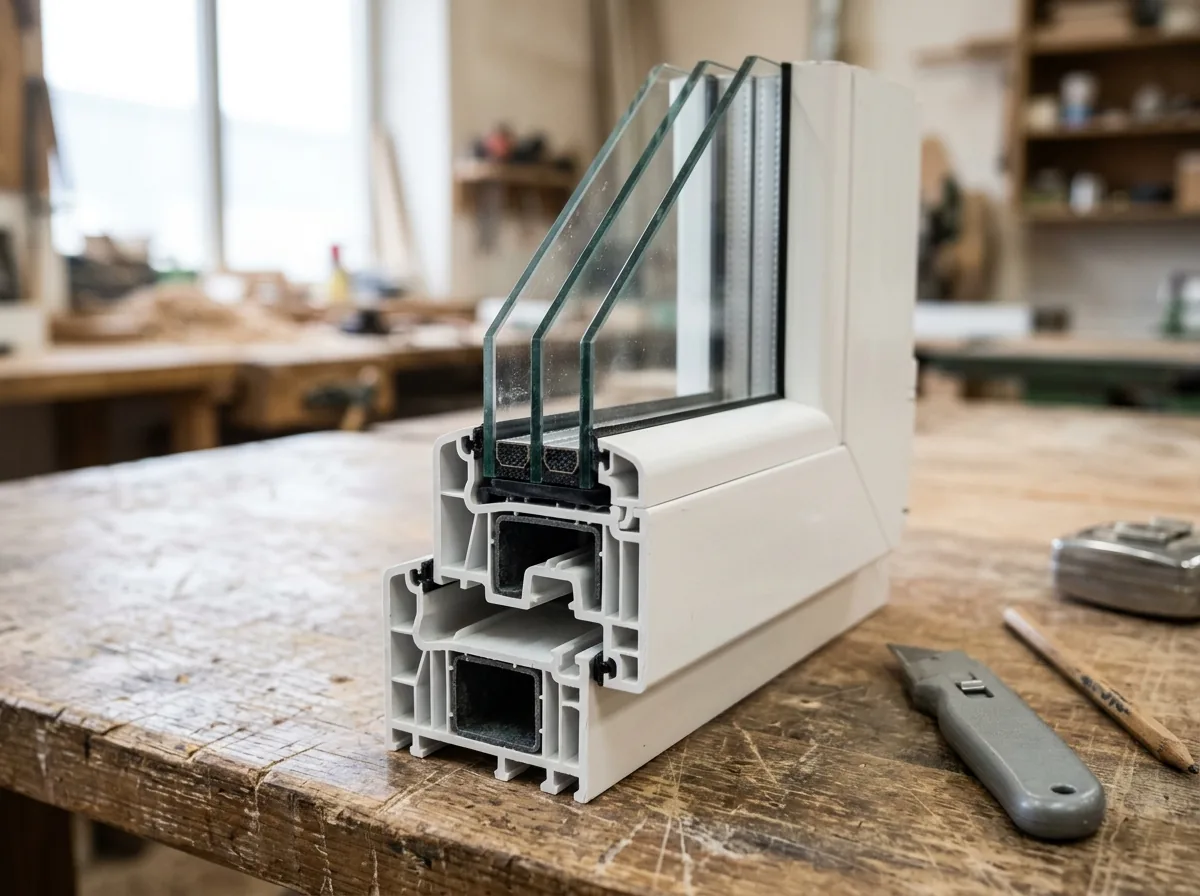
A triple-pane unit adds a third layer and a second low-E coating, with about half an inch of argon or a quarter inch of krypton in each gap, per the NFRC guide. Krypton insulates better in a thin space but costs more. HomeGuide prices triple-pane windows at $450 to $3,000 installed and notes the glass weighs 25% to 50% more than double-pane, which means heavier sashes and can mean an extra installer on big units. The NFRC guide recommends low-solar-gain triple glazing for climates with significant heating and cooling loads. Richmond counts about 3,736 heating degree days and 1,561 cooling degree days in a normal year: mostly a heating climate, with summers that still matter.
Low-E Coating Choices: Solar Control vs. Passive Gain
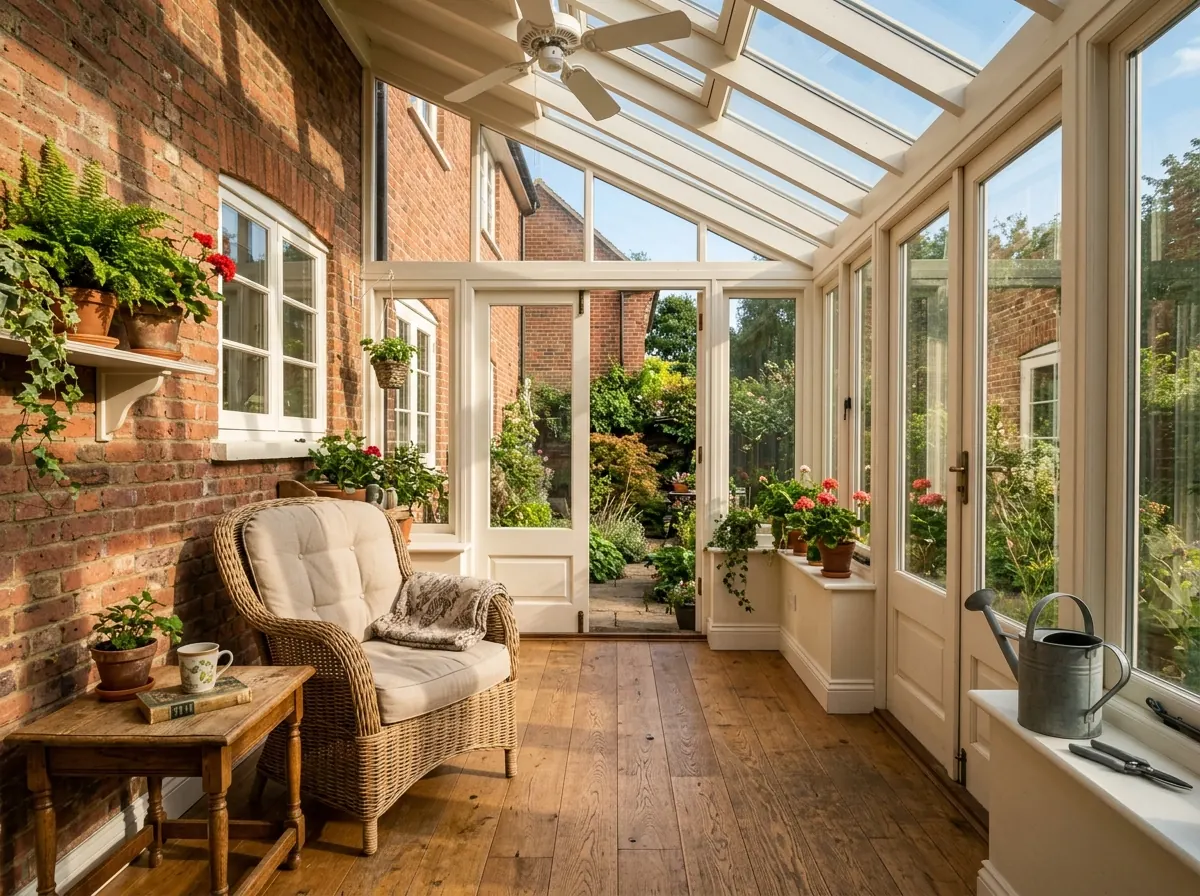
Low-E coatings are transparent metallic layers thinner than a human hair, and the NFRC guide says they can cut a window's energy loss by as much as 40%. They aren't all the same. High-solar-gain low-E, often a pyrolytic coating, lets winter sun through to warm a room. Low-solar-gain low-E, usually a sputtered coating with two or three silver layers, blocks more of the sun's heat. Our view: in Richmond, a low-solar-gain coat belongs on west and south glass that overheats rooms in July, and the code's SHGC cap, described below, sets the ceiling for every pane in the house.
Warm-Edge Spacers and Frame Seals
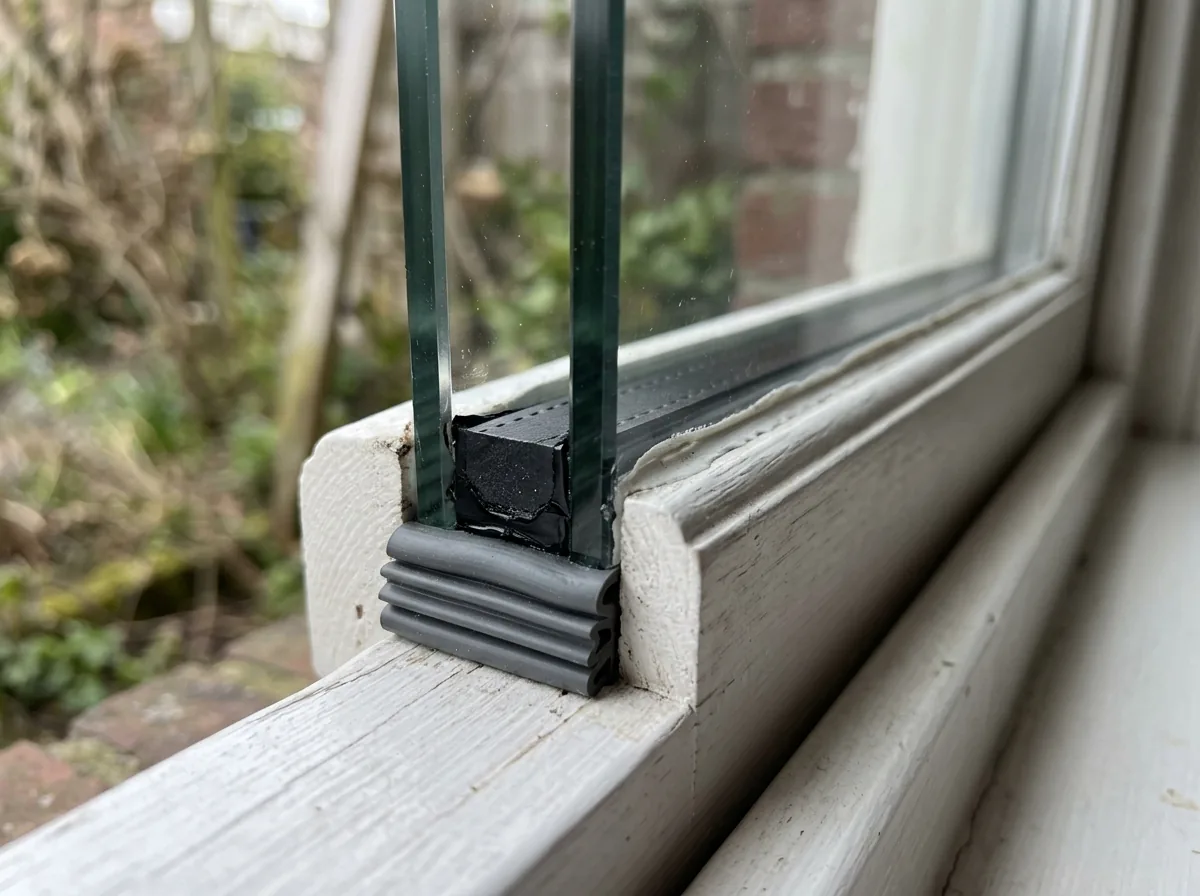
The spacer holds the panes apart and keeps the gas in. Metal spacers pass heat and cold easily and invite condensation along the glass edge; non-metal spacers block that best, and warm-edge systems blend metal and non-metal parts to cut it, the NFRC guide explains. Since July 2010, the glass units in ENERGY STAR windows have had to be certified through recognized programs that test them against heat, humidity and UV. Air slipping past a worn weatherstrip undoes part of what good glass buys, which is why ENERGY STAR also caps air leakage, at 0.3 cfm per square foot.
Laminated Glass for Street and Airport Noise
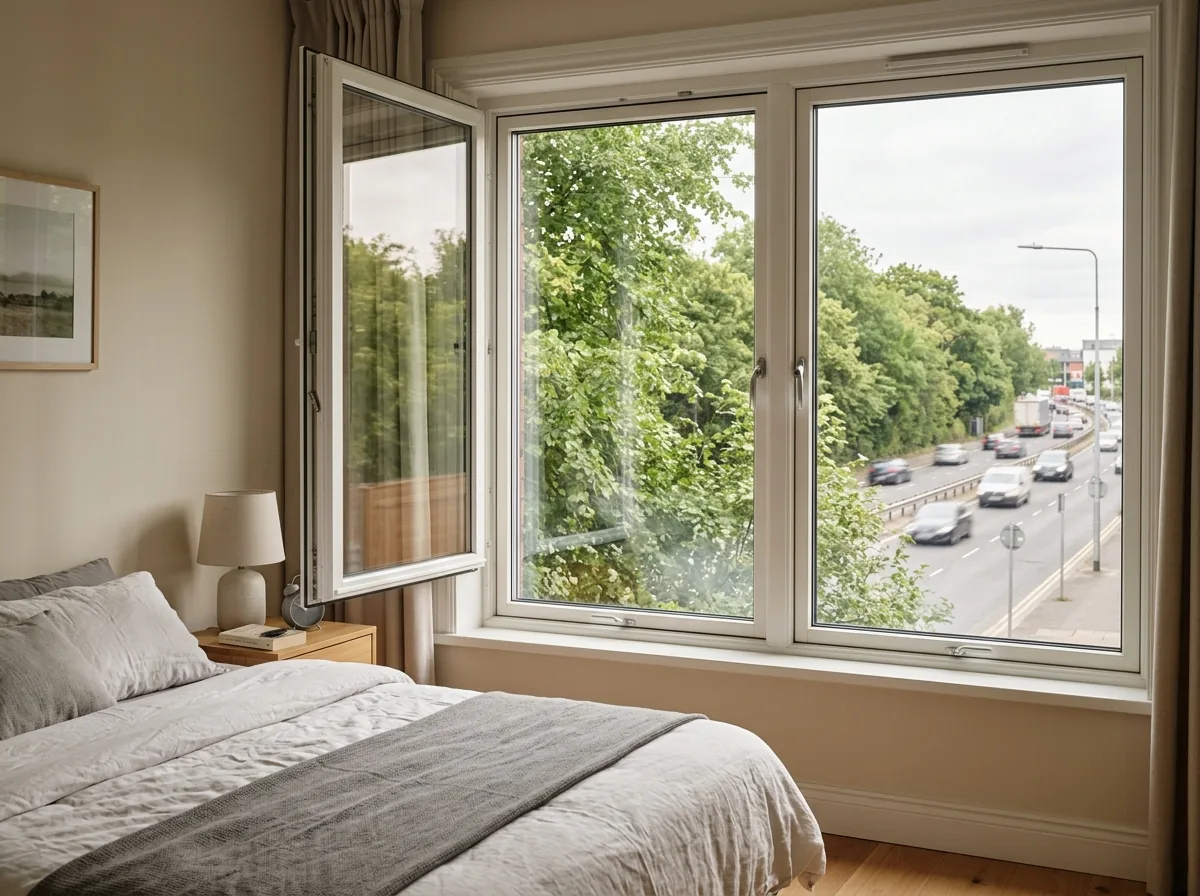
Laminated glass bonds a plastic interlayer between two lites, the same idea as a windshield. For sound, a glass supplier's guide rates a single quarter-inch pane at STC 31, some laminated glass at 40 or more, and a double-pane unit with laminated glass at 45 to 50. A typical house wall rates about STC 33. HomeGuide prices double-pane windows with laminated glass at $600 to $1,600. Gaps cancel the gain, though: the same guide notes an STC-50 assembly can drop into the mid-30s through small cracks, so the seal around the frame matters as much as the glass.

Why Richmond homeowners call Richmond Expert Windows
- A single independent window contractor gets your request, never a lead auction
- Every opening is measured on site before a number is put on paper
- Ask for the quote in writing: unit series, glass package, install method
- Homeowners pay nothing for the referral or the visit
Window Ratings a Richmond Replacement Has to Meet
Virginia's residential code puts Richmond in climate zone 4A. Its fenestration table caps windows in that zone at a U-factor of 0.30 and a solar heat gain coefficient of 0.40. The Virginia Existing Building Code applies those same limits when an existing window is replaced, and when more than one is replaced it allows an area-weighted average across all the new units. In practice, one large unit that misses slightly can be balanced by better units elsewhere, as long as the weighted average passes.
ENERGY STAR sets a stricter bar. Its climate-zone list puts the Richmond city ZIP codes (23219, 23220, 23221, 23222, 23224, 23225 and 23226) in the North-Central zone. Certified windows there need a U-factor of 0.25 or lower and an SHGC no higher than 0.40.
Reading the label:
Whole-unit numbers
The Department of Energy advises comparing whole-unit U-factor and SHGC, not center-of-glass figures, which leave the frame out.Lower U-factor is better
It measures heat escaping through the window.SHGC runs from 0 to 1
It is the share of sunlight that ends up inside as heat.Condensation resistance (CR)
Scored 0 to 100; the higher the number, the less likely the glass is to sweat on a cold morning. Worth checking for bathrooms and north rooms.A label isn't a grade
Virginia Tech's extension guide points out that an NFRC label alone doesn't make a window efficient; the numbers on it do.
Tax Credits and Rebates for New Windows in 2026
The federal 25C energy efficient home improvement credit used to pay up to $600 for windows and skylights meeting ENERGY STAR Most Efficient criteria. It covered improvements made through December 31, 2025, and Public Law 119-21 then cut it off for anything placed in service after that date. The Home Energy Rebates Virginia is to run with federal money haven't launched, and Virginia Energy gives no start date. Dominion Energy Virginia's residential rebate page lists no window offer. Price the job as if there's no incentive, and treat any that turns up later as a bonus.
What to Ask For on an Energy Efficient Window Quote
- The whole-window U-factor and SHGC for each window, copied from the NFRC rating, not a glass-only figure.
- The gas fill (argon or krypton) and the spacer type.
- Which low-E coating goes on which wall, if orientation matters for your house.
- Laminated glass where road noise is the problem, and how the frame perimeter is sealed.
- The install method and insulation around the frame; the homepage explains insert vs. full-frame.
See Vinyl Windows in Richmond, VA and Fiberglass Windows in Richmond, VA for the frames these glass packages go into.
See Foggy Window Repair in Richmond, VA if your current glass is fogged and you'd rather swap the sealed unit than the whole window.