
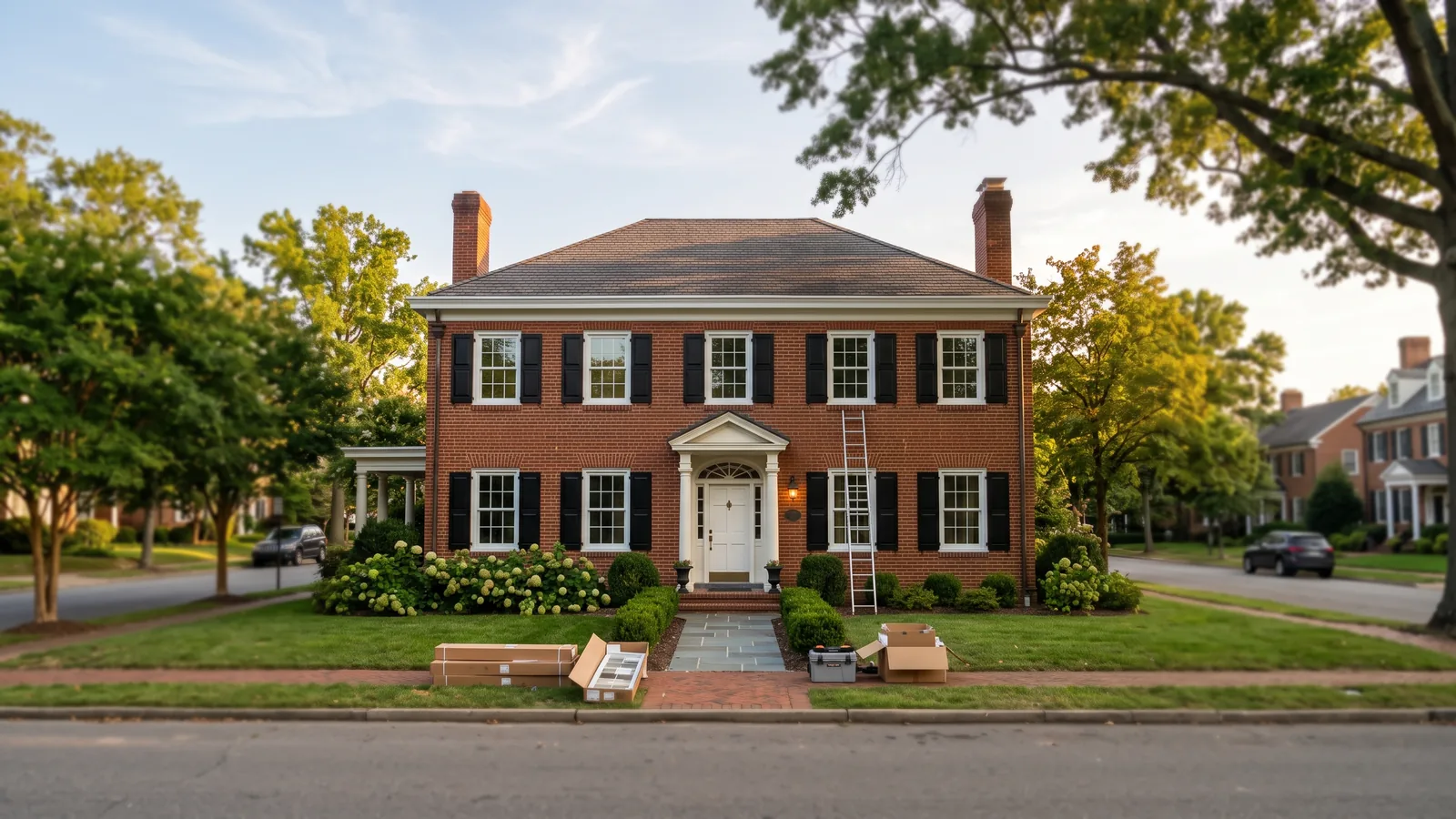
Sliding Window Types
Sliders are named by which panes move. Read from outside, "X" is a sash that slides and "O" is a fixed one, so the code on a quote tells you how the window opens.
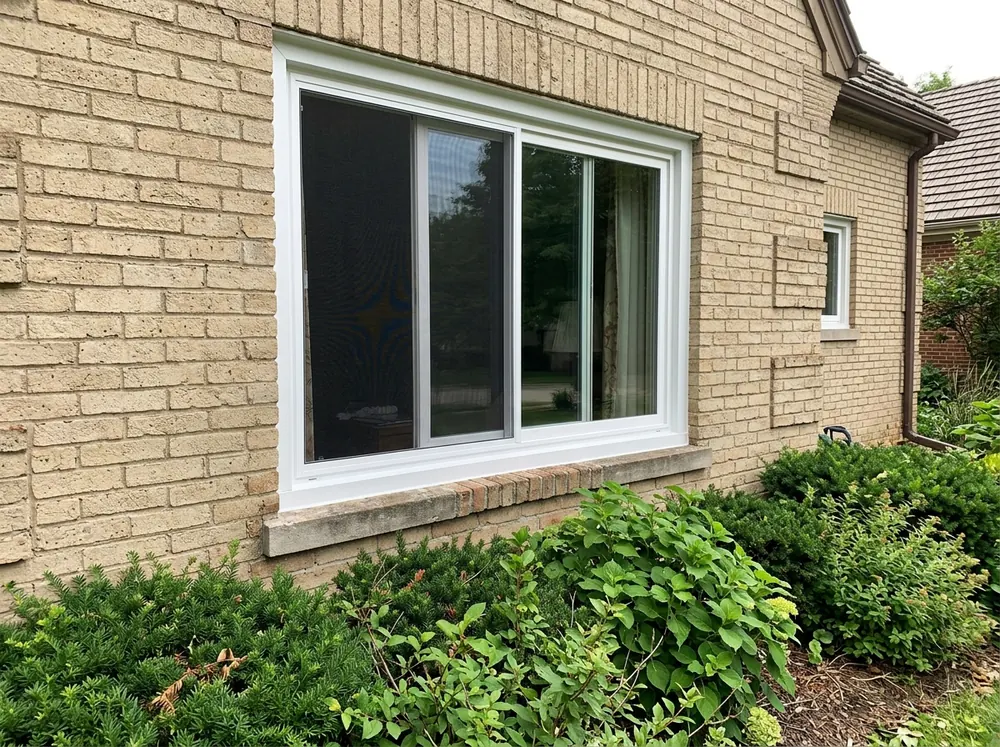
Two-Lite XO and OX Sliders
The standard slider has two equal panes: one fixed, one moving. XO opens on the left as seen from outside, OX on the right. Getting the hand right matters where the window sits next to a wall, a cabinet or a bed, because you want the moving sash on the side you can reach. Some makers offer XX units where both sashes slide, which helps with cleaning.
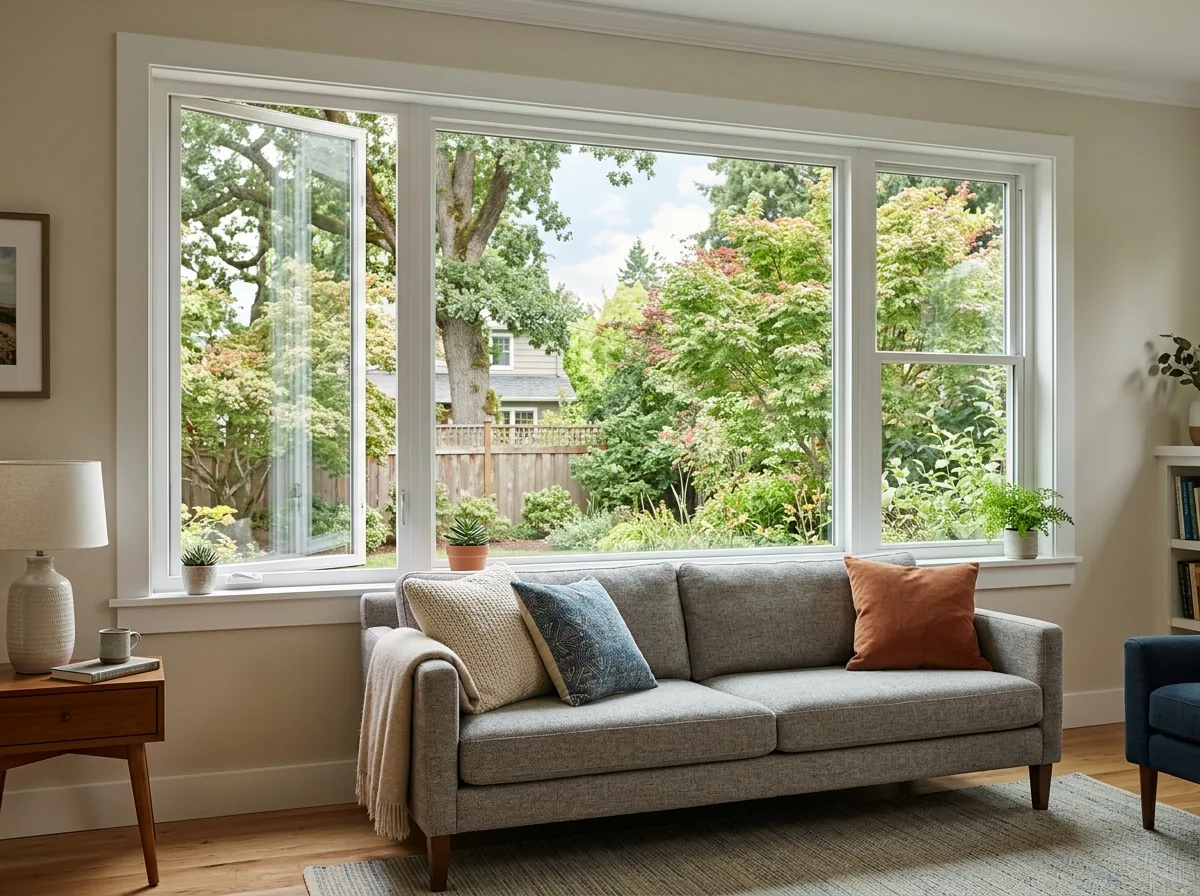
Three-Lite End-Vent Sliders
An end-vent (XOX) slider has a wide fixed center between two smaller sashes that slide toward it. It's the slider answer to a picture window with flankers: a big clear view in the middle and air at both ends. The center pane is often half the width or more. Ask for the vent sashes to be equal so the grille and meeting rails line up from the street.
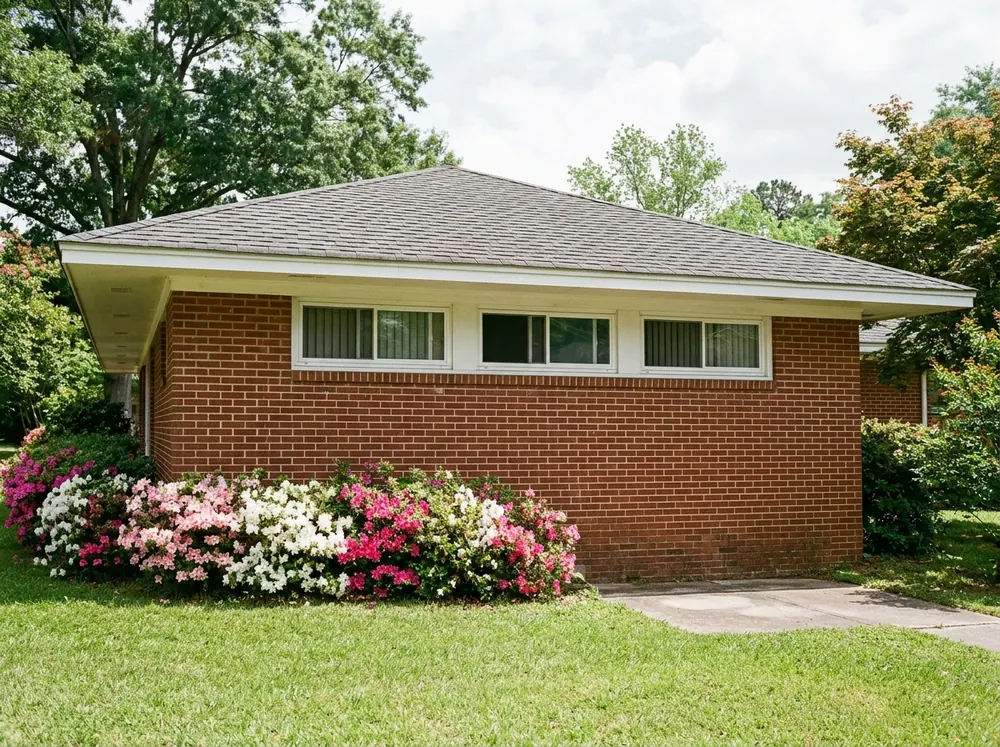
Sliders for Ranch Homes, Kitchens and Bedrooms
Wide, short openings are where sliders fit: the ribbon windows of a 1950s or 1960s brick ranch, the space over a kitchen counter and high bedroom windows that leave room for furniture below. The sash moves sideways, so nothing swings into a walkway or a bush. If the window has to be a bedroom's escape opening, the open half of a slider is all the room you get, so compare it with the sizes on our egress windows page first. Upstairs, low sills can bring in fall-protection rules, explained on the double-hung windows page.
Sliding Basement Windows
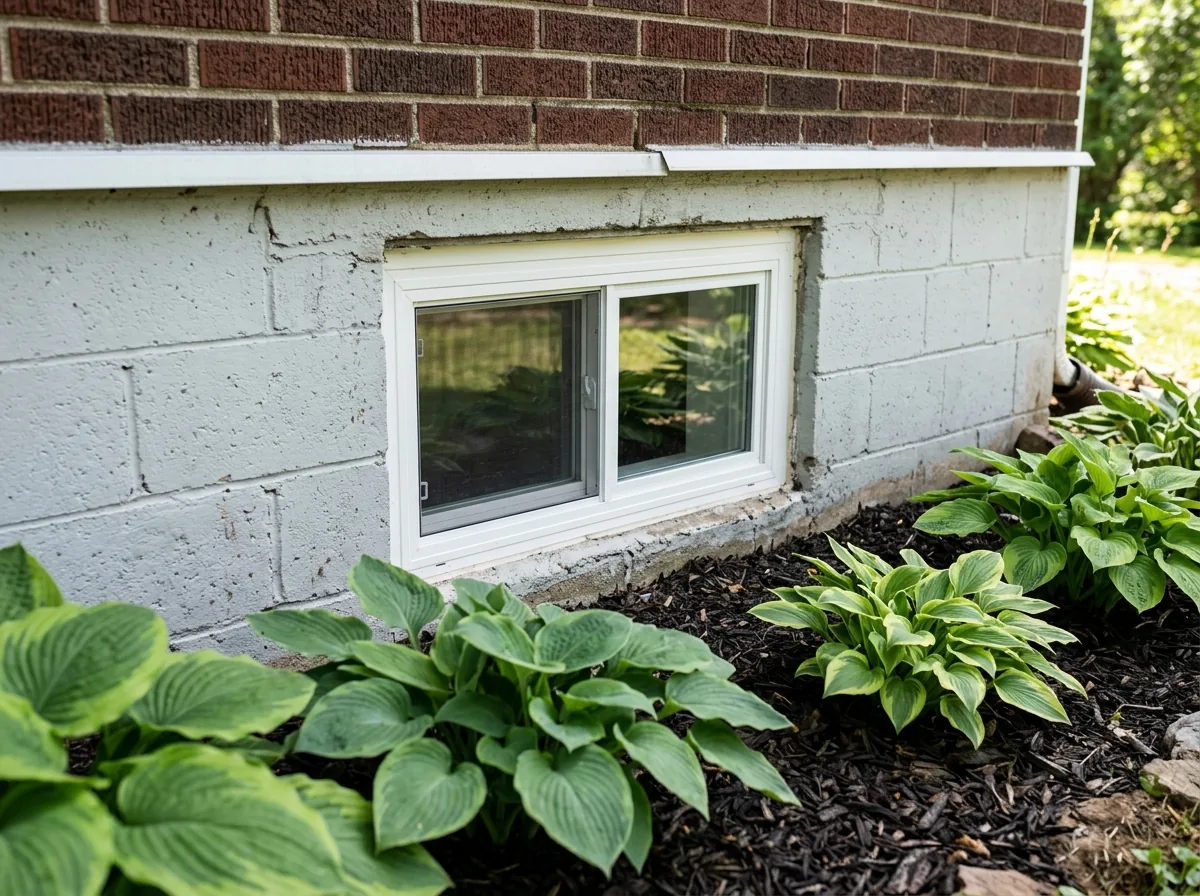
In a basement, the slider's sill track is the lowest point of the window, often only a few inches above the soil or the floor of the well. The weep slots have to drain somewhere, so a good installer will check that the grade or well gravel sits below them and that the exterior sill slopes away. Ask for the sliding sash on the side you can reach from a stepladder. Rusted steel frames, glass block and wells are covered on our basement windows page.
Tracks, Rollers and Weep Holes
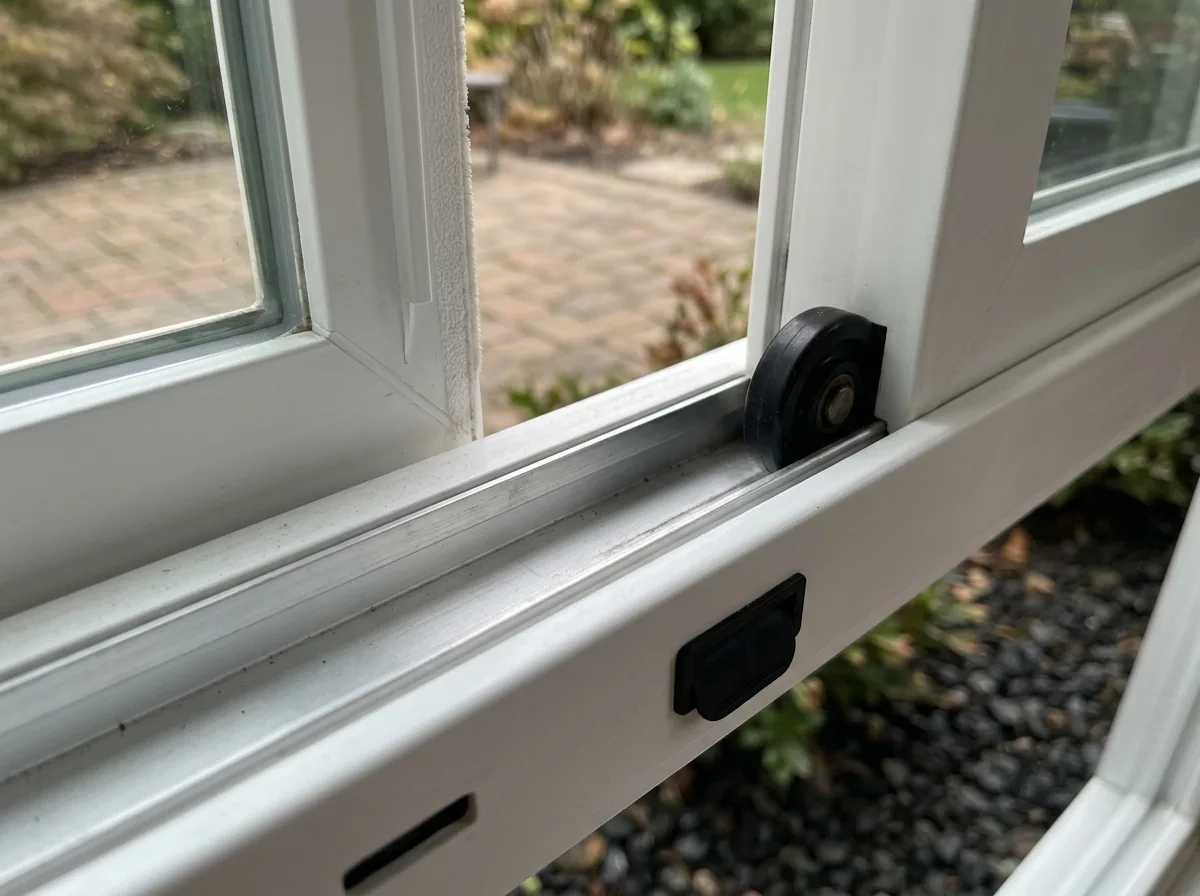
A slider's moving parts are all in the sill. Nylon or steel rollers carry the sash, and the track channel catches rain that gets past the sash and sends it out through weep slots on the exterior face. Ask whether the rollers are replaceable without pulling the sash apart, and look for a raised interior leg on the track that keeps water in the channel.
Why Richmond homeowners call Richmond Expert Windows
- A single independent window contractor gets your request, never a lead auction
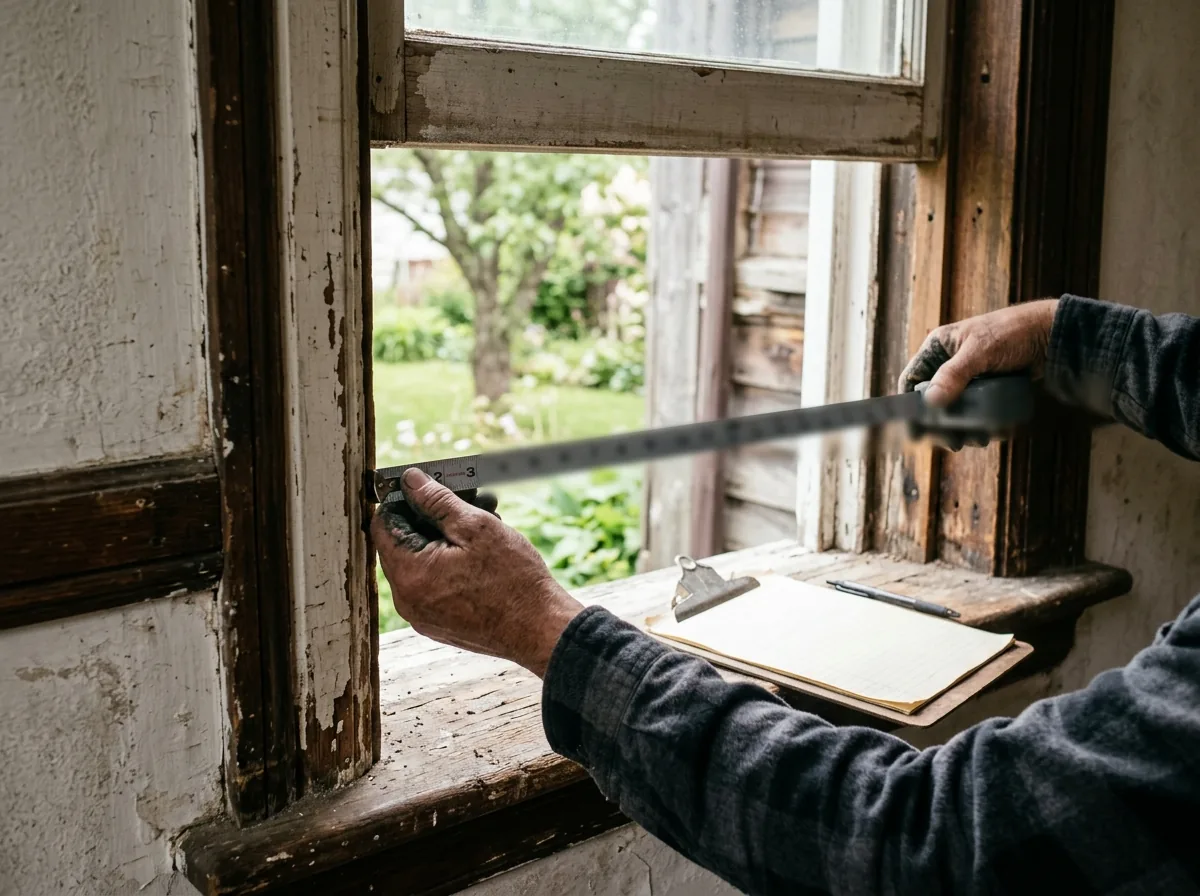
- Every opening is measured on site before a number is put on paper
- Ask for the quote in writing: unit series, glass package, install method
- Homeowners pay nothing for the referral or the visit
Sliding Window Cost and How It Compares
No published source gives a Richmond-only figure. HomeGuide's national table lists sliding windows at $300 to $2,300 installed, with the unit alone at $200 to $1,800. That compares with $350 to $2,500 for a double-hung and $400 to $3,000 for a casement. The ranges overlap a lot, so size and frame material move the price more than the operating style does; a slider's savings come from its simple hardware.
Where the price moves:
Width and lites
An end-vent three-lite unit costs more than a two-lite of the same height.Frame
Vinyl is the usual choice; fiberglass costs more and stays stiffer across a wide sash.Grilles and color
Grilles between the glass and a dark exterior color add to the unit price.Install method
An insert keeps the old frame; full-frame replacement adds tear-out, flashing and trim.Basement openings
Removing a rusted steel frame from masonry takes more labor than a wood-framed opening.
Sliding Windows vs Hinged Windows on Air Leakage
Sliders give up something in exchange for being simple. The Department of Energy says horizontal sliders, like hung windows, generally have higher air leakage rates than projecting or hinged windows such as casements and awnings, which close by pressing the sash against the frame. In our view that's a fair trade on a bedroom or a basement, where a slider's price and lack of hardware win, and a weak one on a long wall of glass in a living room. For a tighter seal in the same wide opening, a casement pair or a picture window with casement flankers does better.
Sliding Window Quote Checklist
- 1
The XO or OX code for each opening
, checked against where you stand to open it. - 2
The glass package and its label ratings
U-factor and SHGC are explained on the energy-efficient windows page. - 3
Roller type and whether rollers are sold as a part
, so a worn set doesn't mean a new window. - 4
Sash lock and night latch
Many sliders take a vent stop that lets the sash open a few inches and no more. - 5
Screen
Full or half screen, mesh type and which side it mounts on. - 6
Lifespan, in plain terms
InterNACHI puts vinyl and fiberglass windows at 20 to 40 years; ask what wears first on the unit quoted and what a replacement part costs.
Sliding Window Upkeep
Vacuum the track
Grit in the channel is what makes a sash drag and wears rollers flat.Clear the weep slots
A blocked slot holds rainwater in the track, where it spills over the sill or seeps under the frame.Use dry silicone
Grease on a track collects dirt; a dry silicone spray doesn't.Check the interlock
The vertical rails where the sashes meet carry the weatherstripping; a torn pile seal there is the usual draft.Replace rollers, not windows
A sash that won't glide on a sound frame usually needs new rollers, which cost far less than a new unit.
See Basement Windows in Richmond, VA for hopper and glass block options in foundation walls.
See Picture Windows in Richmond, VA when the opening calls for more fixed glass than a slider gives.