
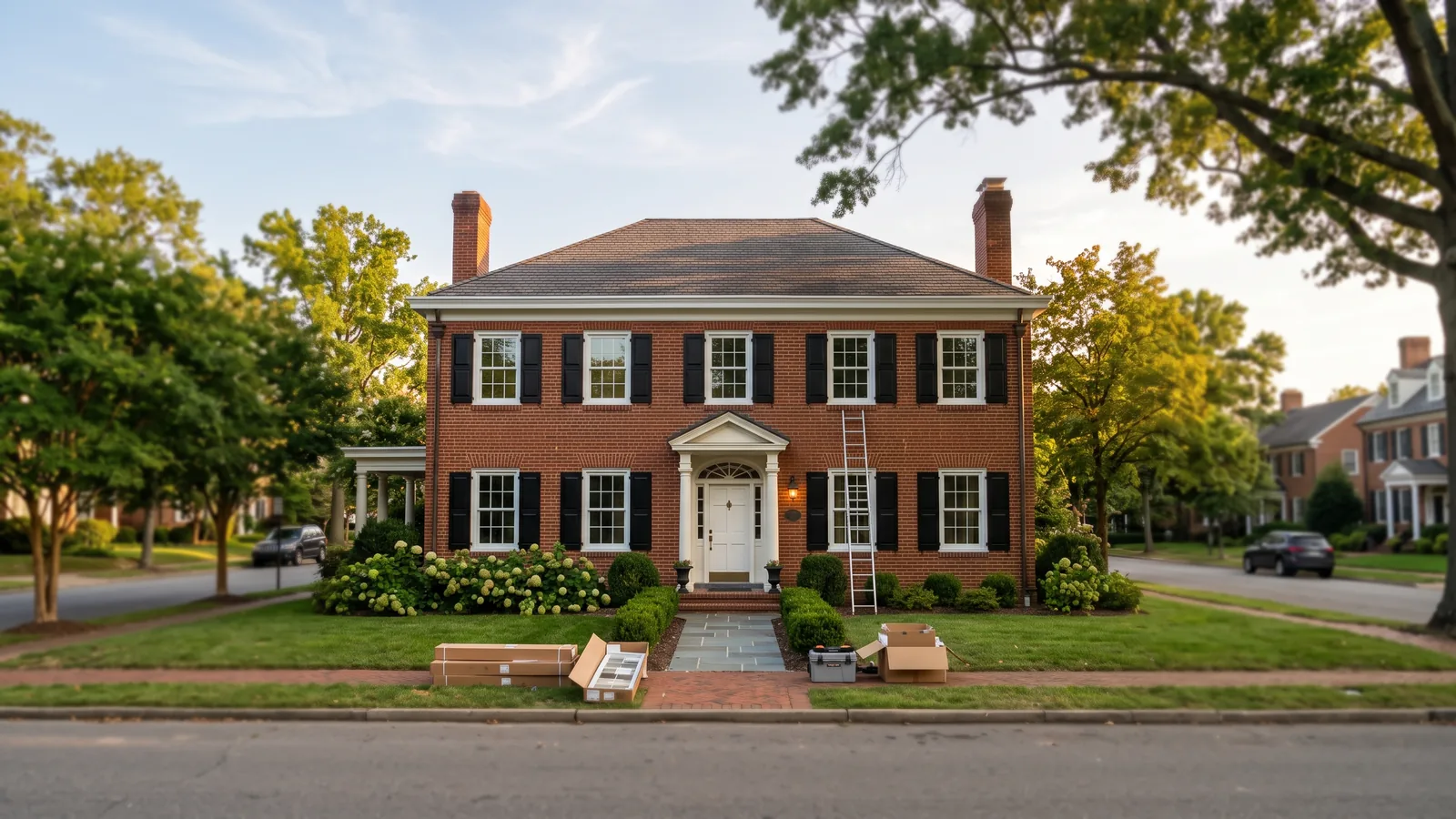
Commercial Window Replacement by Building and Window System
This page sorts the work by the window and the wall it sits in, because that's what decides the product, the access and the paperwork.
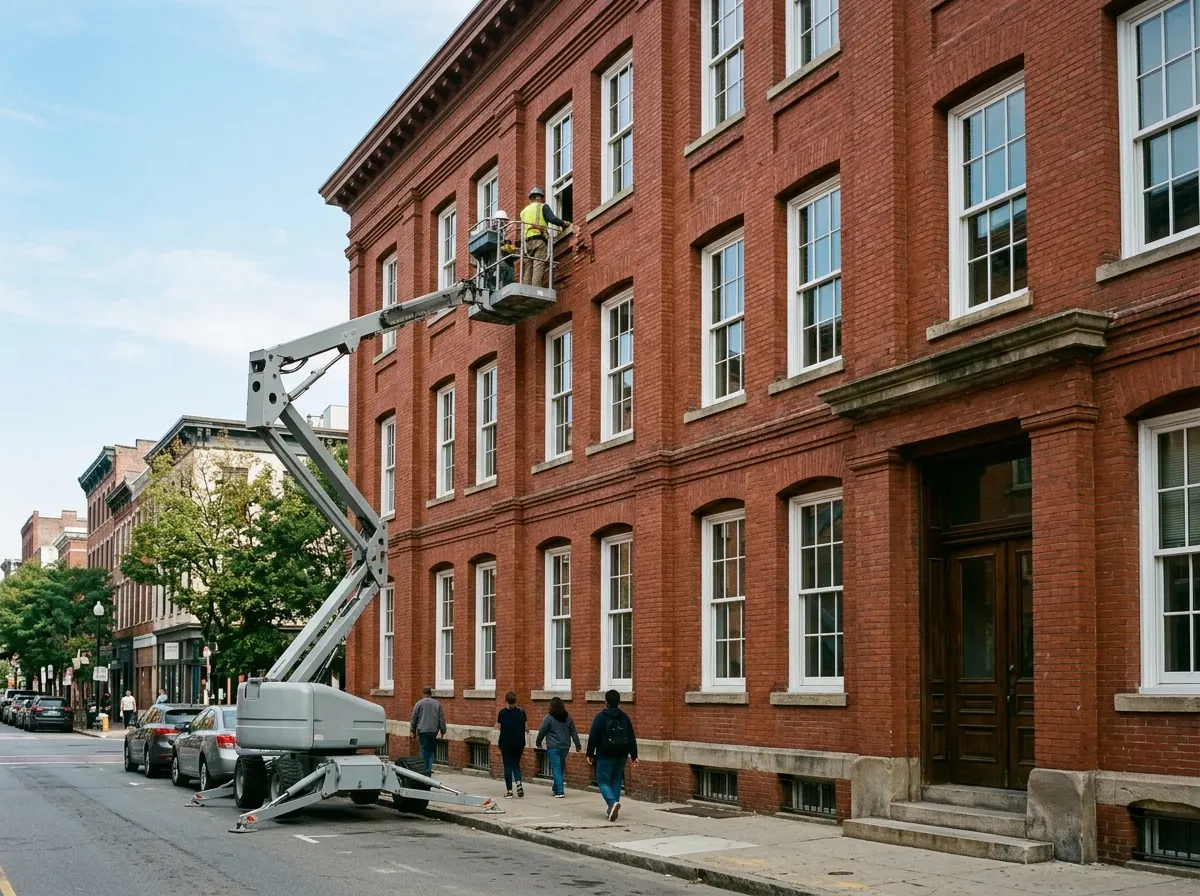
Double-Hung and Fixed Units for Masonry Office Buildings
In an older low-rise brick office, each window is usually a punched opening in the masonry: a double-hung or a fixed lite with a stone or brick sill. Replacement there looks a lot like residential work, done at a larger scale and in heavier commercial-grade frames. The choices are insert versus full tear-out, aluminum versus vinyl or clad wood, and which openings need to open at all. Fixed units meet a tighter code number than operable ones (see the energy code section below), so keeping one operable unit per office and fixing the rest is one way to work with the limits. Ask for a sample window installed first, so the sightlines, color and sill detail can be approved before the full order.
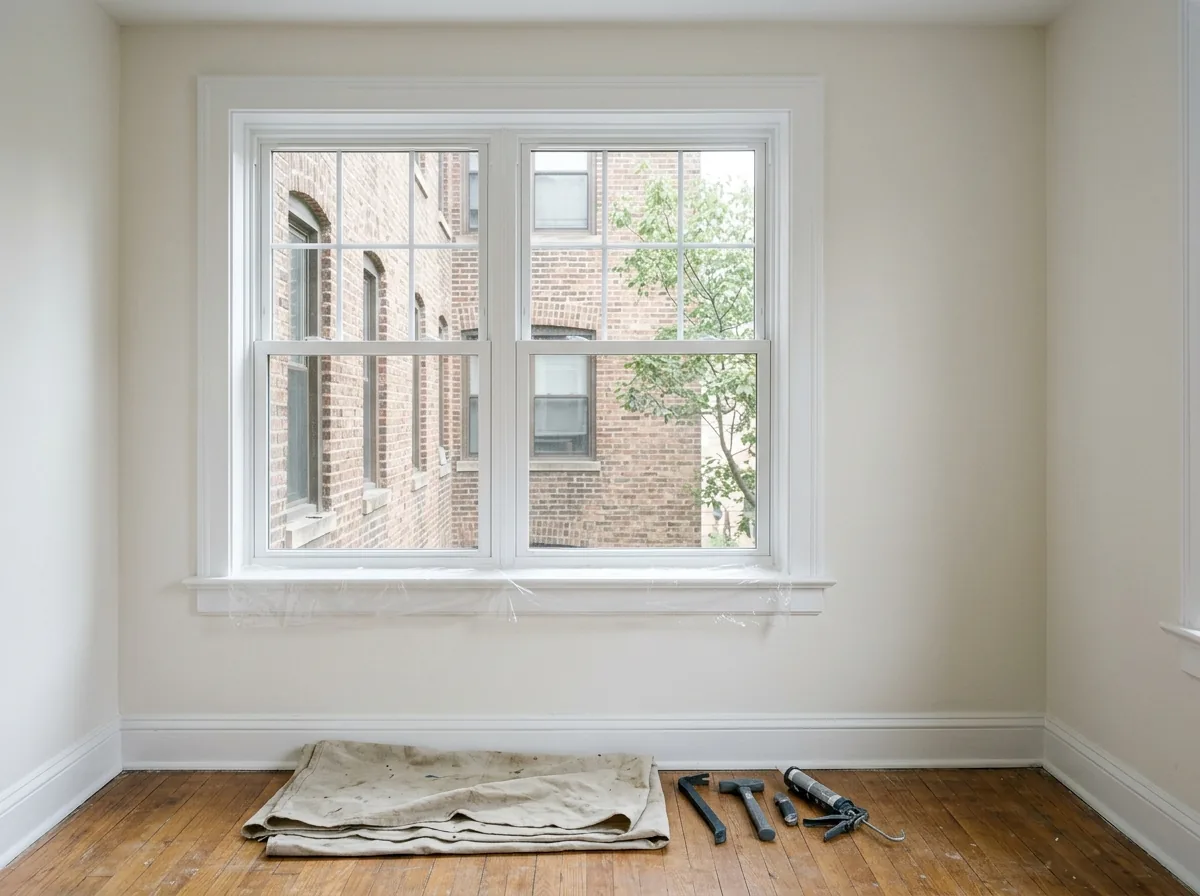
Apartment and Rental Turnover Windows
More than half of Richmond's occupied homes are rented, about 58,900 units in the Census Bureau's latest five-year count, so a lot of window work happens in apartments and rental houses. Virginia's permit exemption for like-for-like swaps covers an R-2 apartment building only where the work serves a single dwelling unit; a building-wide replacement program is a different conversation with the city. Replacing whole units on upper floors of apartments can also trigger Virginia's window opening control device rule, explained on our double-hung windows page, and buildings from before 1978 fall under the federal lead-safe rule covered on our wood window restoration page. Ask the installer to price per window and per unit, so turnovers can be scheduled one apartment at a time.
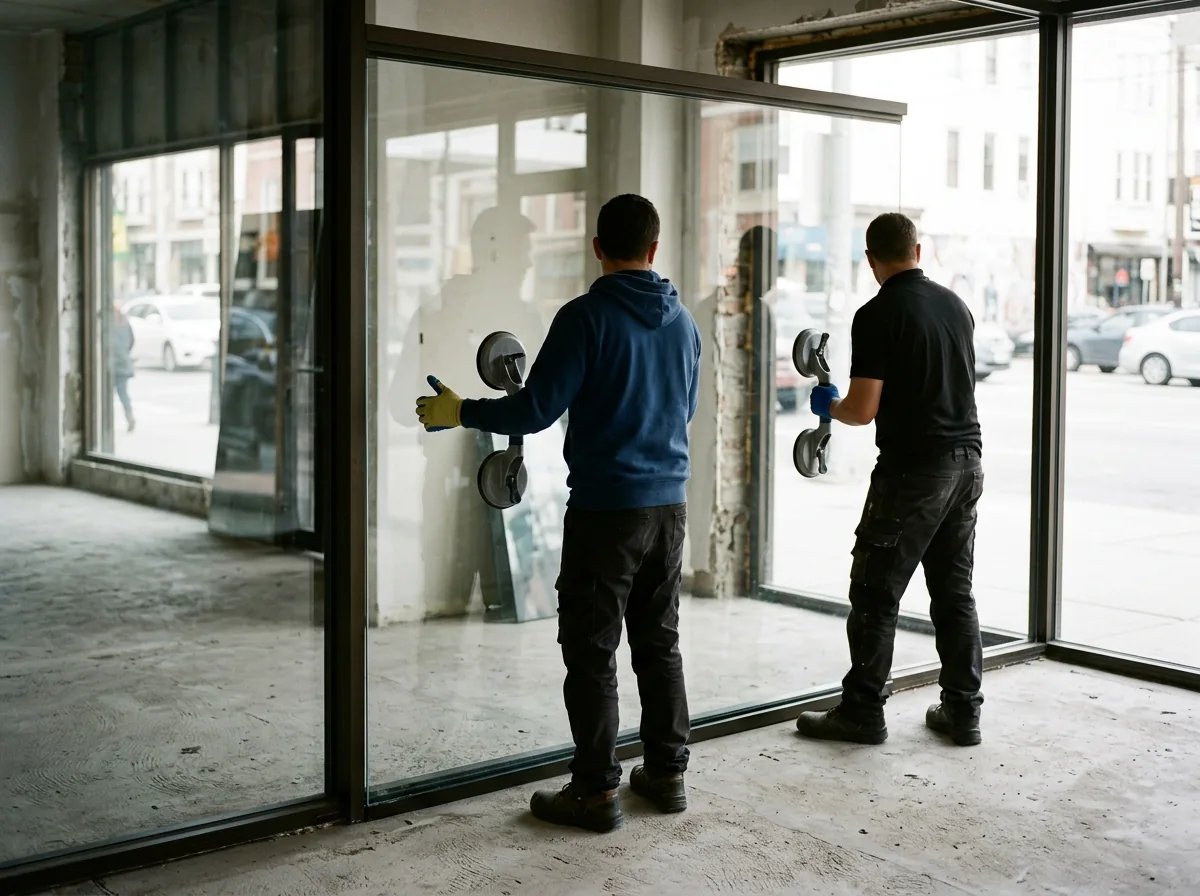
Tempered and Laminated Glass in Commercial Spaces
Virginia's Existing Building Code sends every installation or replacement of glass to Chapter 24 of the Virginia Construction Code, its glass and glazing chapter, so a broken lite isn't always replaced with what was there. The general rule on which locations need safety glass (doors, glass next to doors, large low panes) is on our sliding glass doors page. Laminated glass has a plastic interlayer that holds the broken pieces in the frame, which is why owners choose it for ground-floor windows exposed to break-ins and for rooms facing loud streets. Ask which lites are being replaced with which glass, and why.
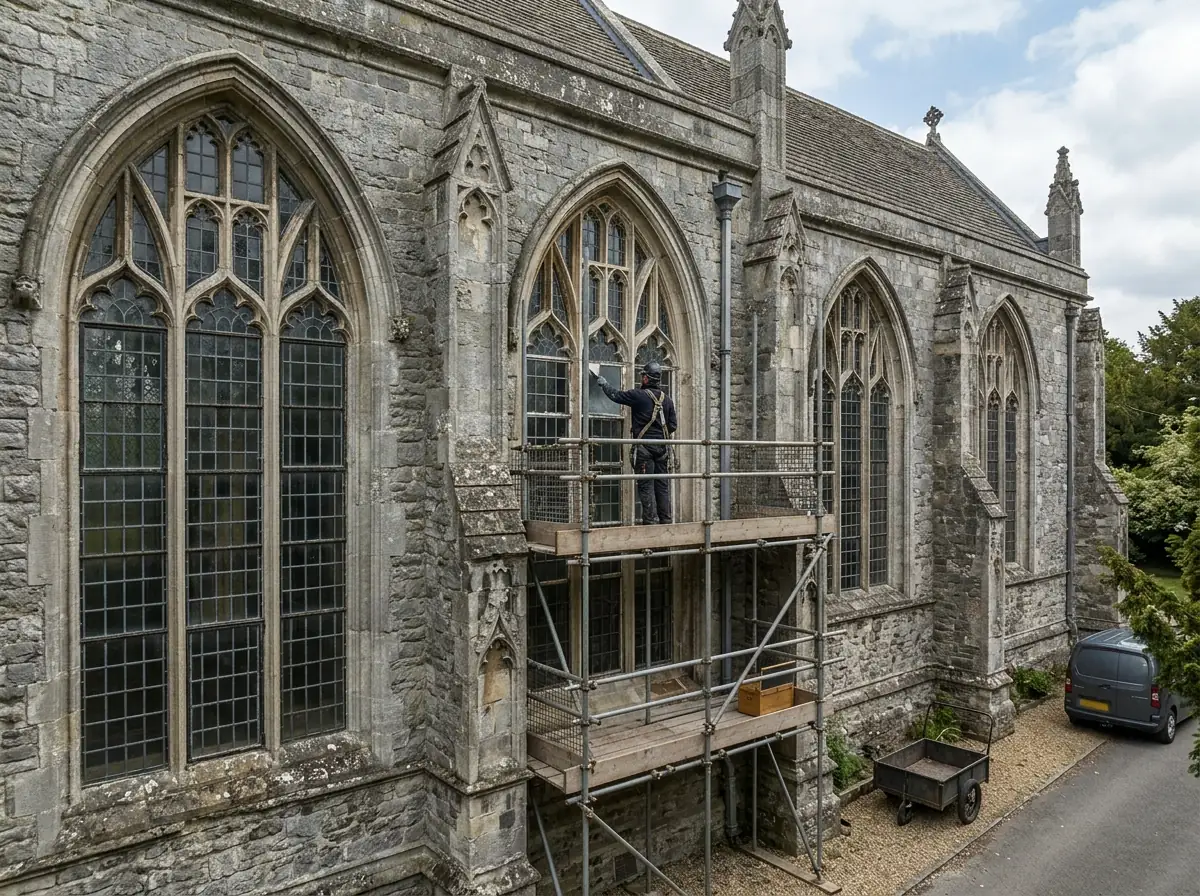
Church, School and Older Institutional Windows
Churches, older schools and civic buildings have the openings standard catalogs don't cover: round-top and Gothic arches, multi-pane steel sash, and stained glass. Here repair and replacement are often both on the table. Steel sash can be scraped, primed and reglazed, and stained glass can be protected with a separate exterior glazing layer rather than replaced. Arched replacement units are built to templates taken at the building, so lead times run longer. If the building sits in one of Richmond's Old and Historic Districts, the city's review rules on our wood window restoration page apply before anything is ordered.
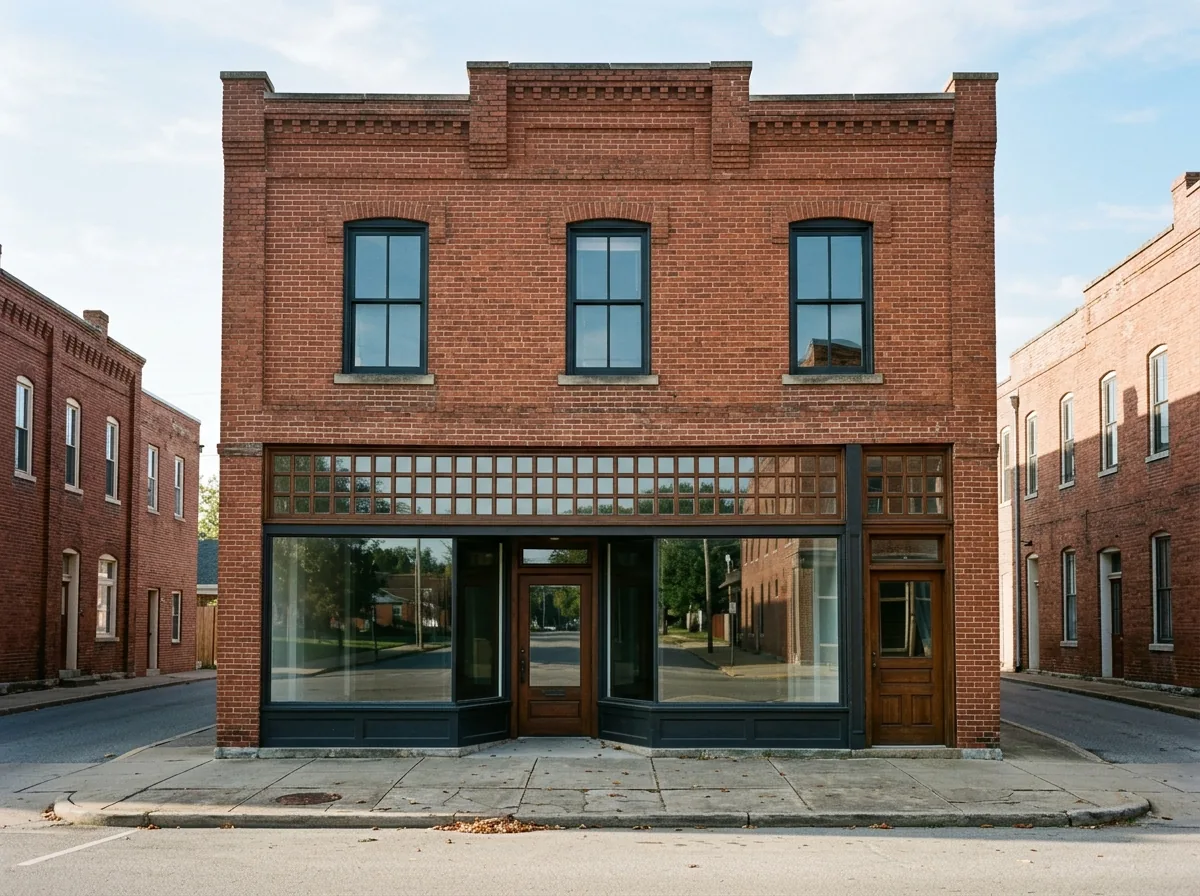
Storefront Transoms and Upper-Floor Windows over Retail
Main-street buildings have two very different window jobs stacked on top of each other. At street level there's the storefront and, above it, a transom band that has sometimes been covered with paneling or boarded over. Upstairs are tall double-hungs serving offices or apartments. Broad Street and Shockoe Slip are both City Old and Historic Districts, so many of these facades need review before work starts. Ask whether the installer handles both the storefront glass and the upper sash, or only the upper windows, and how the sidewalk below will be protected during the work.
Why Richmond homeowners call Richmond Expert Windows
- A single independent window contractor gets your request, never a lead auction
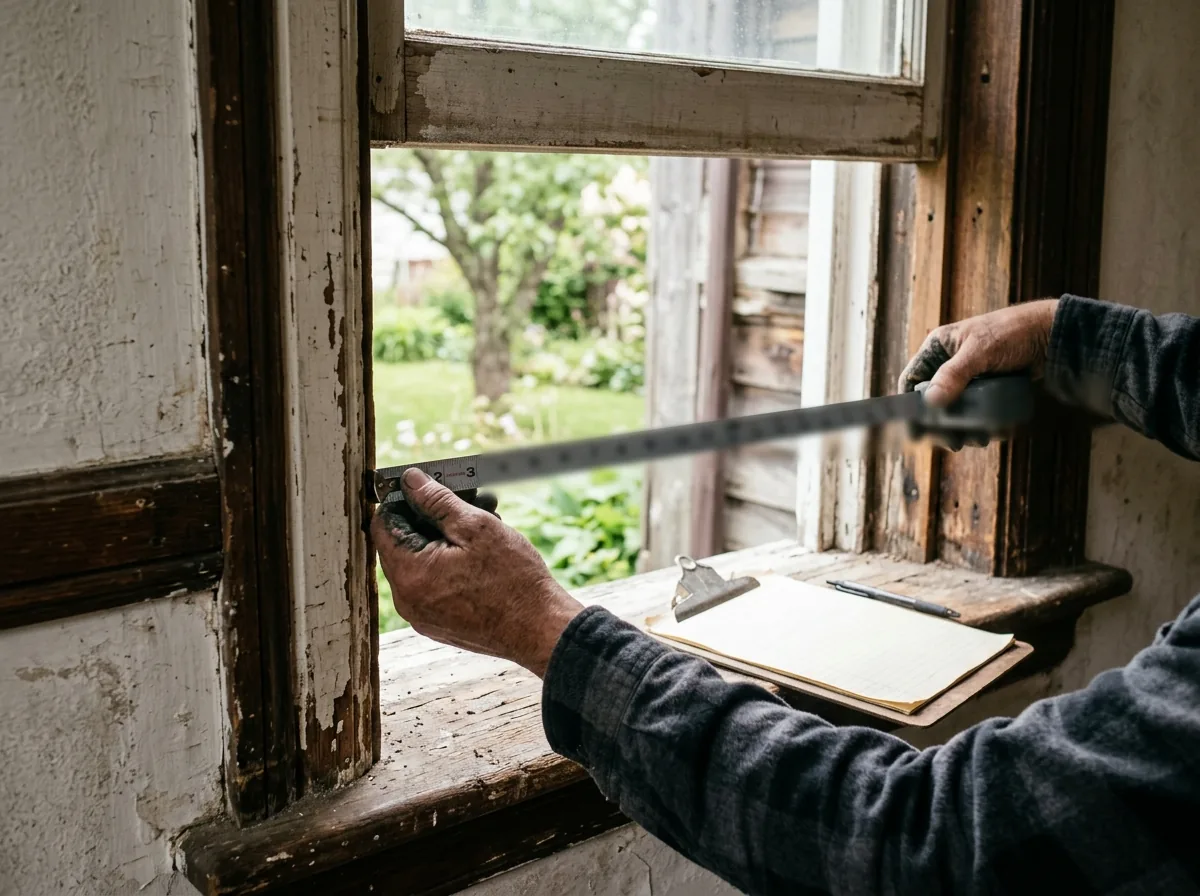
- Every opening is measured on site before a number is put on paper
- Ask for the quote in writing: unit series, glass package, install method
- Homeowners pay nothing for the referral or the visit
Commercial Window Energy Code in Richmond
Under the Virginia Existing Building Code, a replacement window has to meet the U-factor and SHGC in the energy code table that fits the building: the residential table for houses (see our energy-efficient windows page), or Table C402.4 of the Virginia Energy Conservation Code for commercial buildings. Richmond is in climate zone 4. For commercial work there, the table sets:
Fixed windows
U-factor 0.36 or lower.Operable windows
U-factor 0.45 or lower.Entrance doors
U-factor 0.63 or lower.Solar heat gain
SHGC 0.36 or lower for fixed and 0.33 for operable units, where no overhang shades the glass (projection factor under 0.2).
When several windows are replaced, the code lets them be averaged by area. Ask for the NFRC ratings of each window type on the quote so you can check them against these limits.
Permits and Historic Review for Commercial Windows
Virginia's statewide exemption from a building permit for like-for-like window and door swaps is written for houses and for R-2 work that serves a single dwelling unit. Offices, shops, churches and schools aren't on that list, so plan on asking the City of Richmond's Permits and Inspections office whether your job needs a permit; applications go through the city's online permit portal. The same goes for any change to an opening's size.
Historic buildings add a second track. Inside a City Old and Historic District, exterior changes need approval first. Owners of income-producing buildings listed as Certified Historic Structures may be able to claim Virginia's rehabilitation tax credit, which reimburses 25% of eligible rehabilitation expenses for work done to the Secretary of the Interior's Standards. Whether a window project qualifies by itself is something to confirm with the Virginia Department of Historic Resources before you count on it.
What a commercial quote should list:
Window types and counts by elevation and floor
NFRC U-factor and SHGC for each type
Glass makeup for each opening
Insulated, laminated, safety-rated or obscure.Access
Lifts, scaffolding, sidewalk protection and after-hours work.Permit and review
Who files, and whether historic review is needed.Sequencing
Floor by floor, unit by unit, or by elevation, and how occupied spaces are protected.
See Window Repair in Richmond, VA for broken glass and hardware on single openings, and Storm Windows in Richmond, VA for keeping original sash on a historic building.