
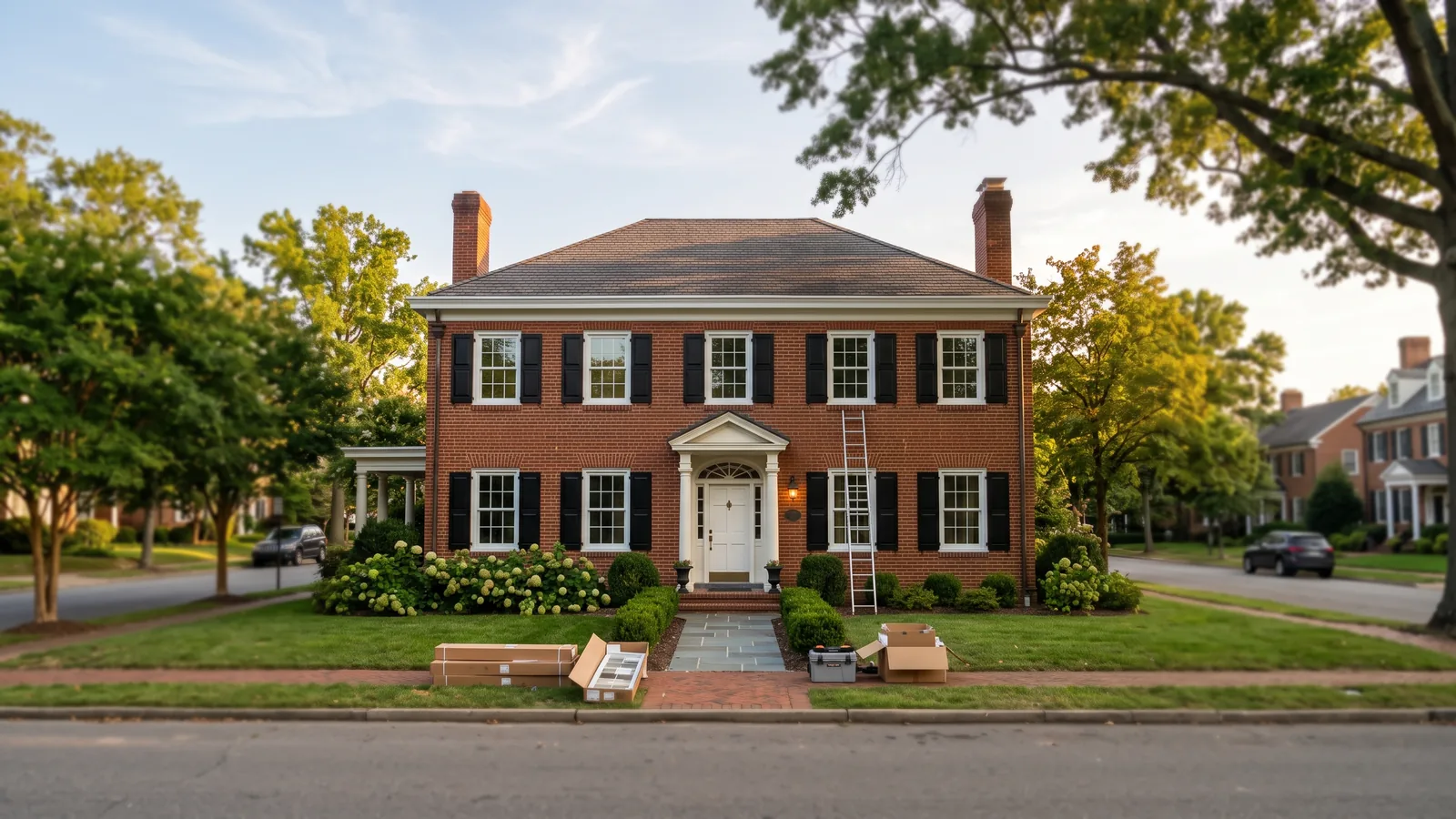
Window Sill Repair and Replacement Work
A window sill is the sloped piece at the bottom of the frame that sheds rain away from the wall. When it holds water instead, rot spreads from it into the jambs, the casing and eventually the wall framing. The fix depends on how deep the decay goes.
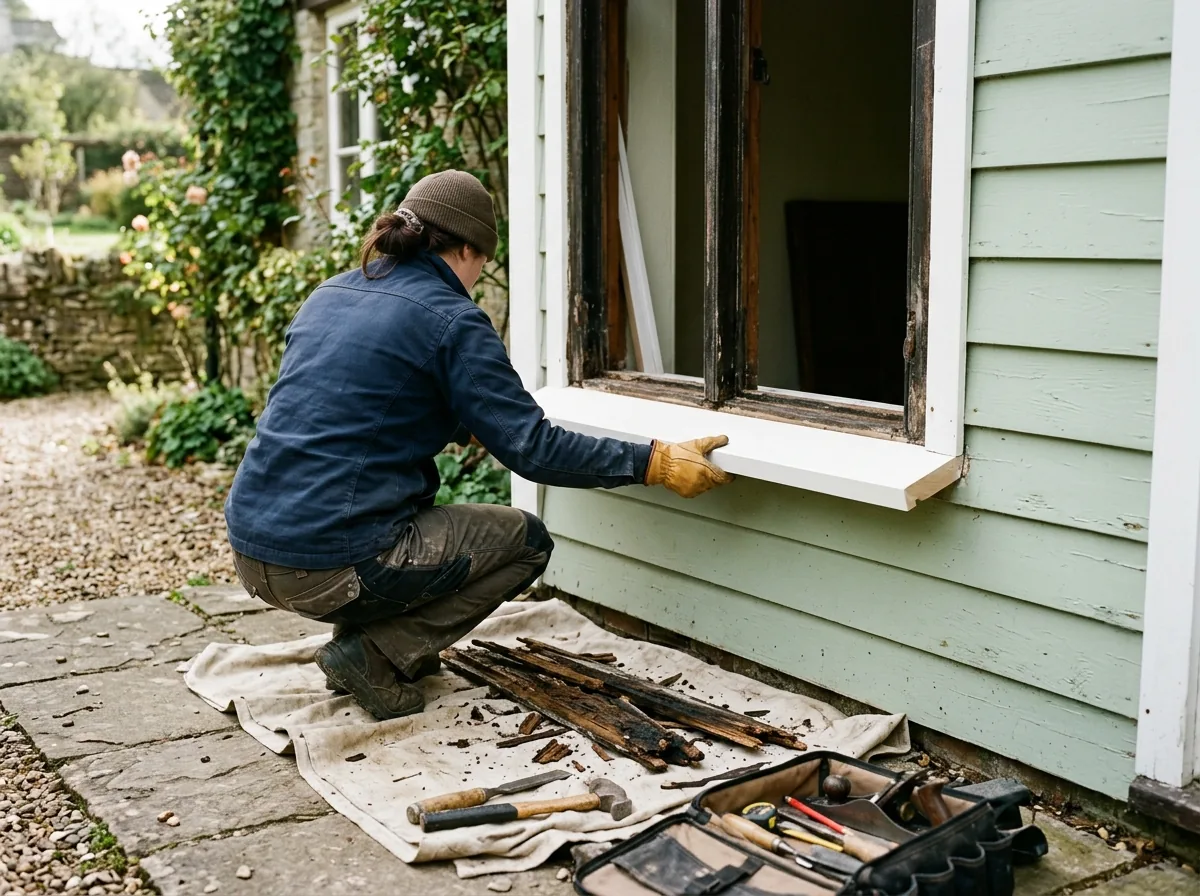
Exterior Sill Replacement
When a screwdriver sinks through the sill or the wood crumbles at the nose, the whole sill comes out. On an old wood window that usually means cutting the sill in pieces and freeing it from the jambs without pulling the frame. The new sill is milled to the old slope and profile from rot-resistant wood or a cellular PVC or composite board, primed on every face, and set in sealant. HomeGuide's national figure for a full sill replacement is $250 to $800 per sill for a 3- to 8-foot length.
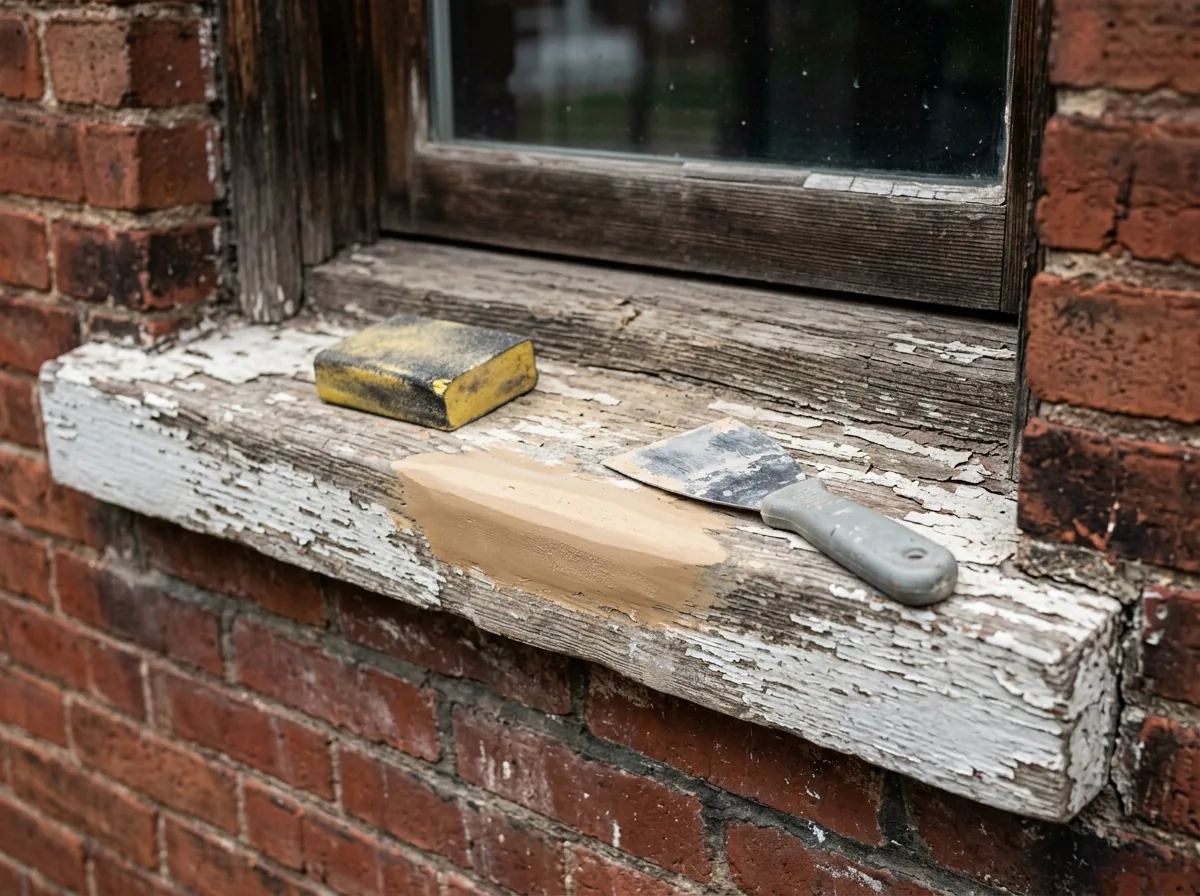
Epoxy and Dutchman Patches
Rot that stops short of the core can be patched. The National Park Service shows a two-part epoxy patching compound filling a weathered sill and rebuilding its missing front edge, then sanded and painted for a waterproof repair. For a deeper pocket, a carpenter cuts the rotted section back to sound wood and glues in a fitted block of new wood, a dutchman. NPS's advice for any built-up sill surface is to slope it slightly so water can't puddle. HomeGuide lists partial sill repairs at $150 to $350 nationally.
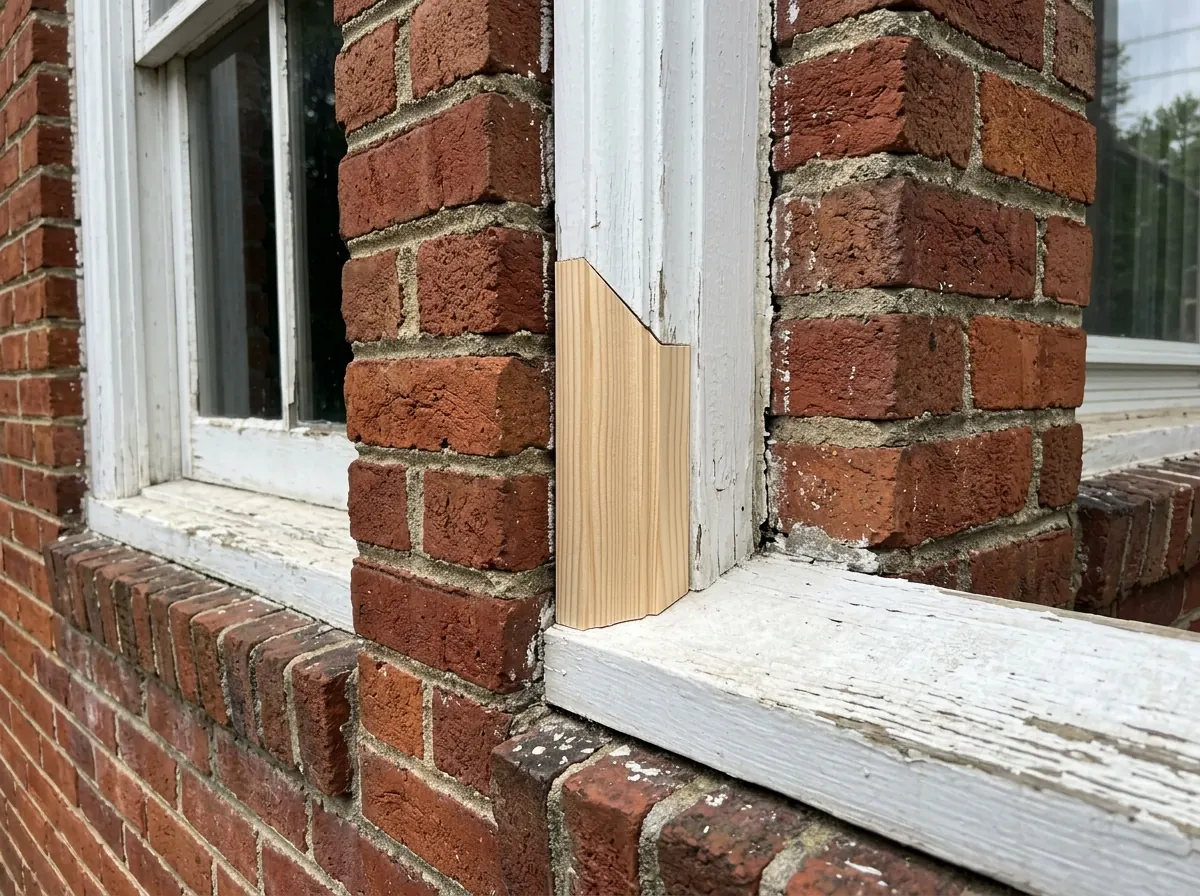
Brickmold and Exterior Casing Repair
Brickmold is the thick molded trim around a window set in a brick wall, and its bottom ends sit right on the sill, so they rot along with it. Short lengths can be spliced in with a matching profile; long runs get new molding. Ask the installer to probe the sheathing or framing behind the trim once it's off, since water that rotted the trim may have been getting into the wall as well.
Interior Stool and Apron
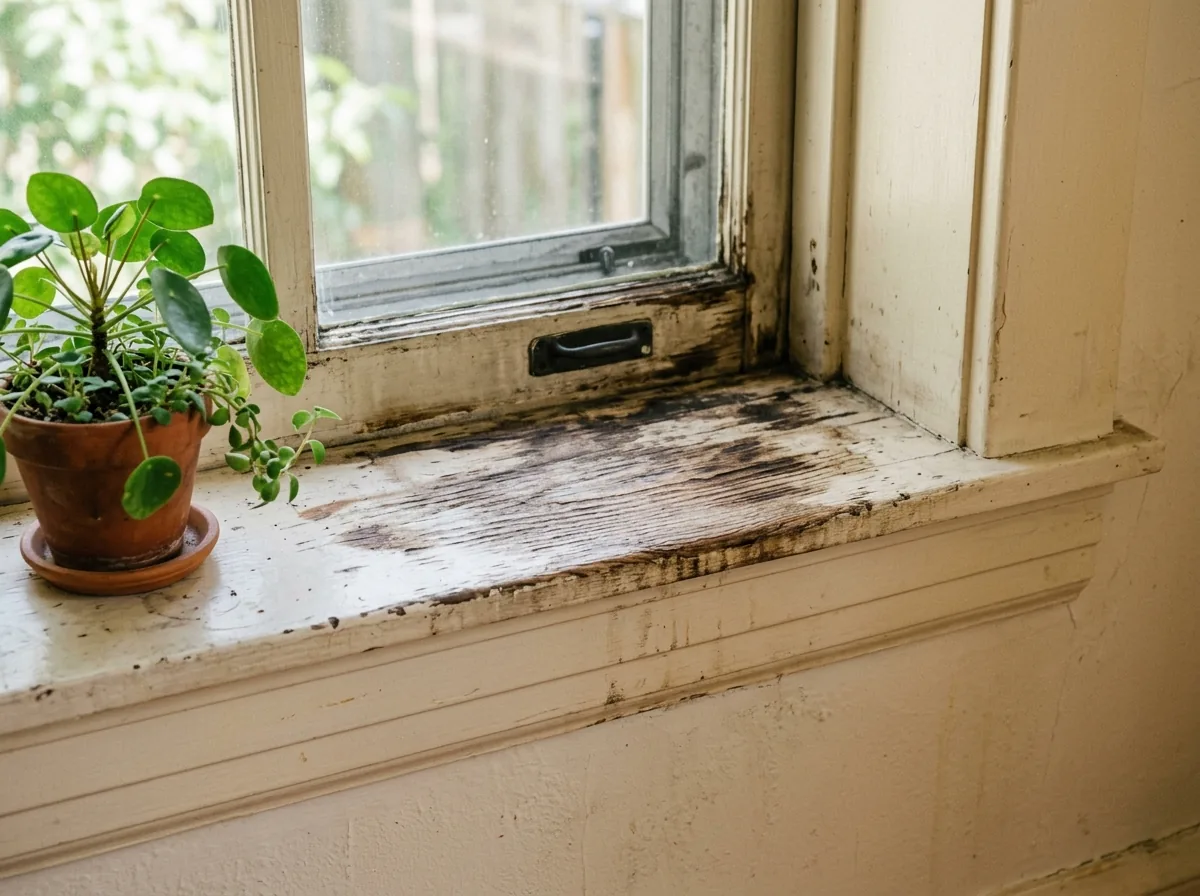
Inside, the flat ledge you set a plant on is the stool, and the trim board under it is the apron. Condensation running off the glass, or rain from a leaking sash, stains and softens the stool first. A stained but firm stool can be sanded, primed and repainted; a soft one is cut out and replaced, with the apron reset under it. Fix the source too: a sash that leaks or fogs will ruin a new stool as fast as the old one.
Sill Pan Flashing and Sloped Sills
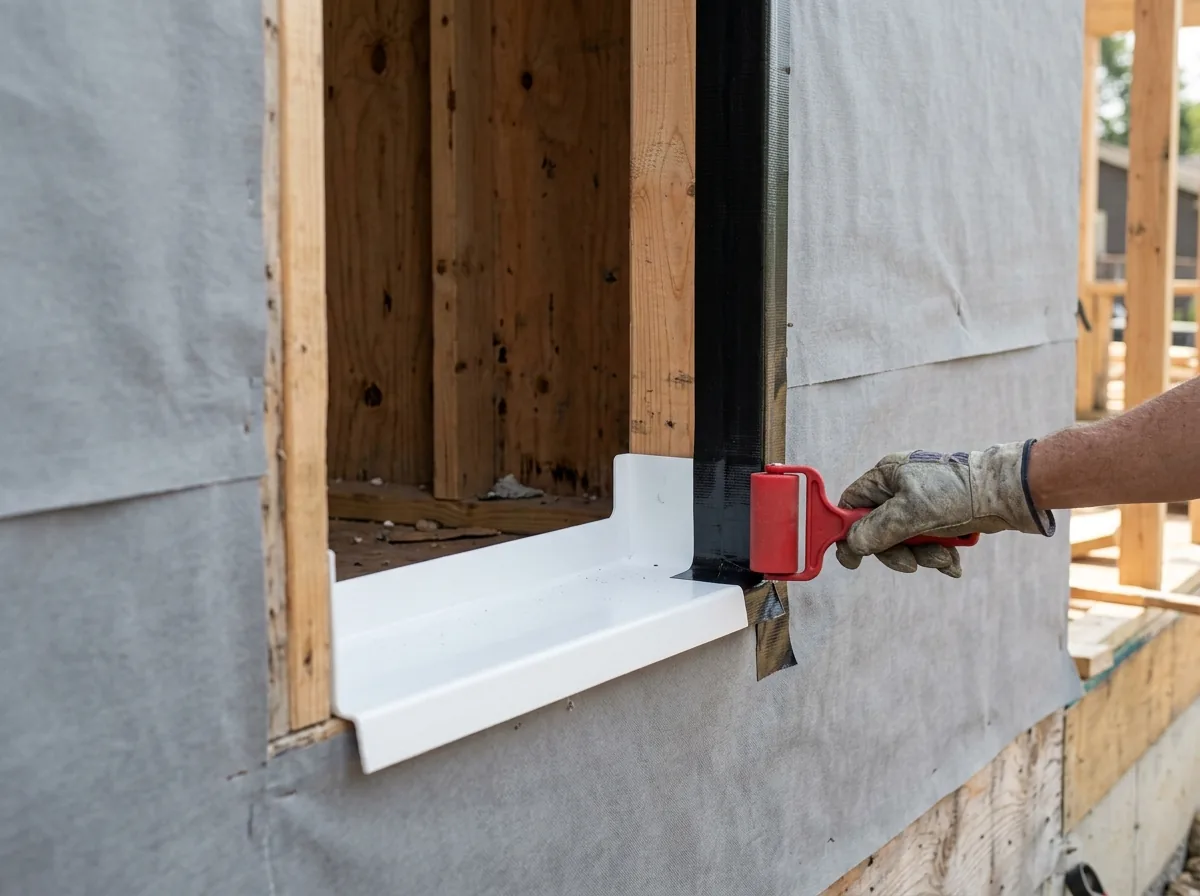
When a window comes out for sill or frame work, the rough opening below it can get a sill pan: a formed or taped flashing that catches any water that gets past the window and sends it outside. The Virginia Residential Code requires flashing at window openings to follow the window or flashing maker's instructions, and where none exist, a pan at the sill that is sealed or sloped to drain outward. On an old sill, NPS also suggests cutting a drip groove along the underside so water drops off instead of running back to the wall.
Why Richmond homeowners call Richmond Expert Windows
- A single independent window contractor gets your request, never a lead auction
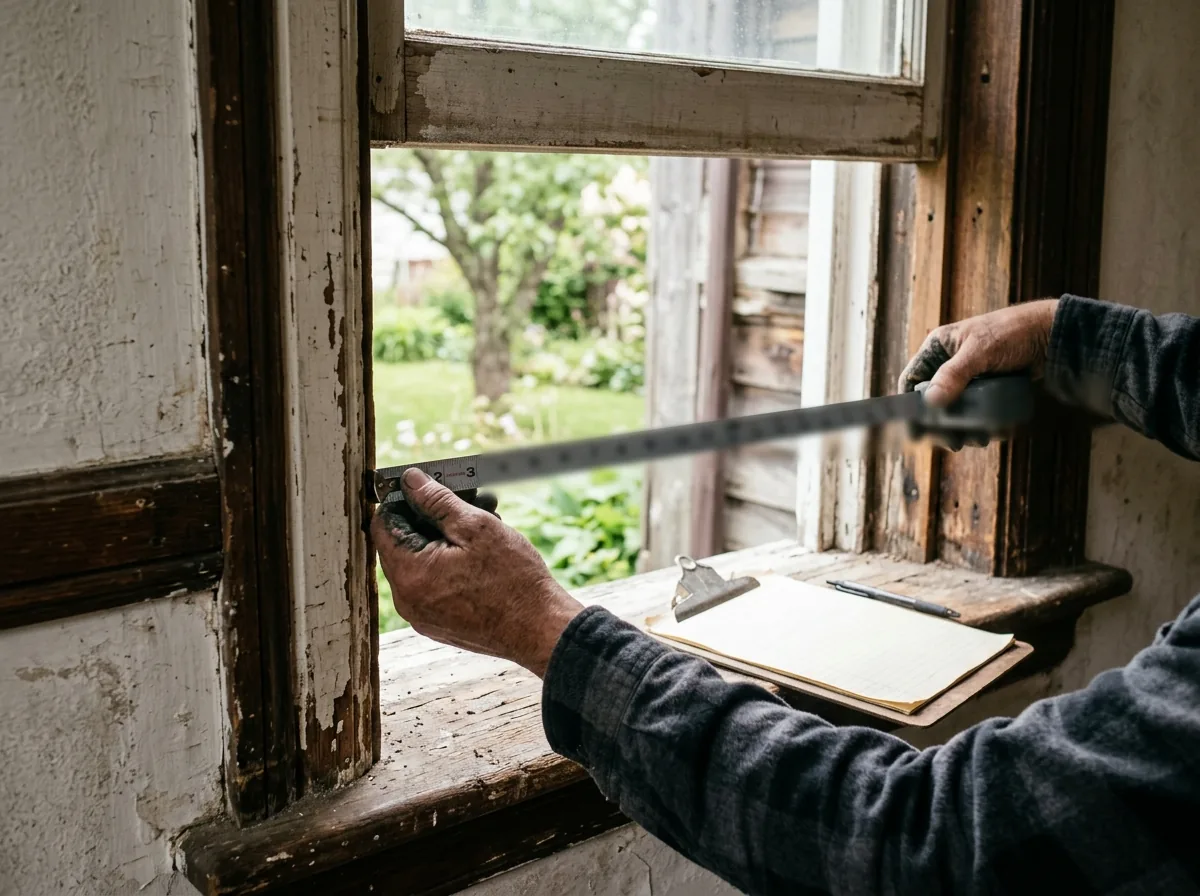
- Every opening is measured on site before a number is put on paper
- Ask for the quote in writing: unit series, glass package, install method
- Homeowners pay nothing for the referral or the visit
Window Sill Rot: Why Sills Go First
NPS names the sill, the joints between sill and jamb, the corners of the bottom rails and the muntin joints as the places where water collects and decay begins. The USDA Forest Products Laboratory explains why: serious decay only happens once wood is wetter than its fiber saturation point, about 30% moisture content, while dry wood at 20% or less has a reasonable margin against rot. A flat sill with cracked paint and open joints is, to our mind, the textbook case: it stays wet long after the rain stops.
Richmond gives a sill plenty of water to deal with. Driving summer storms soak it, and July dew points near 68°F slow the drying. In our view that humidity is part of why a sill that gets soaked in a July storm stays damp for days. HomeGuide's list of warning signs is worth a walk around the house: soft or spongy wood, dark stains or mold, paint that bubbles, a musty smell by the window, water pooling on the sill, or a sash that no longer closes evenly because the frame under it has started to sag. NPS also cautions that peeling paint doesn't by itself mean the wood under it is ruined, so a probe test, not the paint, should decide between repair and replacement.
Window Sill Repair Costs
These are HomeGuide's national averages; no source publishes a Richmond price:
Full replacement
$250 to $800 per sill, from about $250 to $300 for a 3-foot sill to $600 to $800 for 8 feet.Partial repair
$150 to $350 to remove damaged wood and patch.Materials
Per linear foot, wood runs $7 to $40, composite $10 to $25 and vinyl $5 to $20; stone is $20 to $80.Labor share
Labor is often 80% to 90% of the bill, and a standard sill takes a pro about 1 to 2 hours.Several at once
Doing more than one sill on the same visit can bring the cost per window down.New windows
Most replacement windows don't come with a new sill, so a rotted one should be fixed before the new unit goes in.
Window Sill Repair, Start to Finish
- 1
Probe and photograph
Every soft spot on the sill, jambs, brickmold and stool is marked. - 2
Set up lead-safe
In a house built before 1978, cutting or scraping old paint falls under the rules on the wood window restoration page. - 3
Remove
Rotted wood is cut back to sound fibers, or the sill comes out in sections. - 4
Rebuild
Epoxy, a dutchman or a new sill, sloped away from the house. - 5
Flash and seal
A sill pan where the window is out, sealant at the sill-to-jamb joints. - 6
Prime and paint
All faces of new wood are primed, and the paint is carried onto the joints.
See Wood Window Restoration in Richmond, VA when the sashes above the sill need work too. See Window Repair in Richmond, VA for leaking glass, cords and locks that let water reach the sill.